
ADHD and Sensory Processing: Why Some Children Feel Everything More Intensely
Many children with ADHD experience sensory sensitivities or overstimulation. Learn how sensory processing and nervous system regulation can influence focus and behavior.
Many parents navigating ADHD begin noticing something else alongside focus challenges:
Sensitivity to clothing
Meltdowns in loud environments
Strong reactions to textures
Avoidance of certain foods
Constant movement or crashing
Difficulty filtering background noise
It can feel like their child is experiencing the world at a higher volume.
For some children, ADHD and sensory processing challenges overlap - not because they are the same thing, but because both involve how the nervous system processes and responds to input.
What is sensory processing?
Sensory processing refers to how the nervous system:
Receives sensory input
Interprets that input
Responds appropriately
This includes input from:
Touch
Sound
Light
Movement
Body awareness (proprioception)
Balance (vestibular system)
When sensory processing is balanced, children can filter what matters and ignore what doesn’t. When processing is inefficient or overwhelmed, everyday experiences can feel intense, distracting, or even distressing.
How ADHD and sensory processing overlap
Children with ADHD may:
Seek more movement
Have difficulty sitting still
React strongly to unexpected sensory input
Struggle in overstimulating environments
Become overwhelmed in busy classrooms
These behaviors may reflect:
Executive functioning differences
Regulation challenges
Sensory processing differences
Or a combination of all three
ADHD does not automatically mean sensory processing disorder, and sensory processing challenges do not automatically mean ADHD. But they often intersect through the nervous system.
Why regulation matters in sensory processing
The nervous system must constantly decide:
Is this input safe?
Is this important?
Can I ignore this?
When a nervous system is under stress, filtering becomes harder.
Children may:
Overreact to small triggers
Seek excessive input (movement, crashing, pressure)
Avoid certain environments
Become easily distracted
Supporting regulation does not eliminate sensory differences, but it may help the nervous system respond more efficiently.
The role of occupational therapy
Occupational therapists are highly trained in assessing and supporting sensory processing challenges.
Many children benefit from:
Sensory integration strategies
Environmental modifications
Structured movement activities
Targeted exercises
At PCC, we value collaborative care and frequently support families who are also working with occupational therapists. Our role is not to replace OT - it is to support nervous system regulation more broadly.
How neurologically focused chiropractic care fits in
At Pediatric Chiropractic Center, we assess patterns of nervous system stress that may influence:
Regulation
Adaptability
Sensory responsiveness
Stress recovery
We do not diagnose sensory processing disorder. We do not treat ADHD. Instead, we focus on supporting foundational nervous system function so children may better engage with therapies and strategies already in place.
Signs parents may notice when regulation improves
While every child is different, parents often report:
Smoother transitions
Less intense reactions
Improved tolerance to busy environments
More consistent behavior across settings
These changes are not guarantees. They reflect how regulation capacity can influence daily life.
When to consider a collaborative approach
You may consider exploring additional regulation-focused support if:
Sensory challenges are interfering with daily life
ADHD symptoms feel amplified by overstimulation
Emotional recovery takes a long time
Your child seems to be frequently overwhelmed
Your child has plateaued in other therapies
Children benefit most when care is layered and collaborative.
A grounded perspective for families
Sensory processing and ADHD conversations do not need to be all-or-nothing. Understanding how your child’s nervous system responds to input can reduce blame, increase clarity, and support informed decision-making.
At PCC, our goal is to help families better understand regulation - not to replace medical or therapeutic care, but to complement & amplify it!
Dr. Matt McCormack, DC, CCSP, CPPFC

Courage in Motherhood: Why It’s a Muscle (And How to Strengthen It)
Courage in motherhood isn’t about being fearless - it’s about standing firm in your values. Discover how families in Keller and Colleyville are building confidence through community and neurologically focused pediatric chiropractic care.
Motherhood requires courage in ways no one fully prepares you for.
Not loud, dramatic courage.
But quiet, steady conviction.
The courage to:
Ask more questions.
Trust your gut.
Say “no” when something doesn’t feel aligned.
Choose differently than the crowd.
Protect your child’s health and your family’s values - even when it’s uncomfortable.
At Pediatric Chiropractic Center, we see it every day.
Moms walking through our doors who are brave enough to think critically, advocate fiercely, and trust their instincts.
And here’s the truth:
Courage is not a personality trait. It’s a muscle.
And like any muscle, it strengthens with use.
Why Courage Feels So Hard Today
Historically, mothers learned through proximity and mentorship. There was community. Shared wisdom. Multi-generational guidance.
Today?
You’re expected to:
Research everything yourself
Navigate a complex healthcare system
Filter through conflicting opinions
Make high-stakes decisions
Do it confidently
And often, do it alone.
No wonder it feels overwhelming.
But here’s the empowering part:
Confidence doesn’t come from having all the answers.
Confidence comes from practicing conviction.
Courage Is a Nervous System Skill
From a neurological perspective, courage requires regulation.
When you:
Speak up in an appointment
Decline something you’re unsure about
Advocate for your child’s needs
Set boundaries with family or friends
Your nervous system may interpret that as conflict.
Heart rate increases.
Palms sweat.
Thoughts race.
That doesn’t mean you’re wrong.
It means you’re growing.
Courage is your nervous system learning that you can tolerate discomfort — and still stay grounded.
And that builds resilience.
How to Strengthen the “Courage Muscle”
Here are practical ways to develop conviction and confidence:
1. Practice Low-Stakes Boundaries
Start small.
Send the food back if it’s wrong.
Politely ask for clarification.
Say, “I’d like time to think about that.”
Each small moment builds evidence:
I can handle this.
2. Slow Down Before You Decide
You don’t owe immediate answers.
Try:
“Can you explain the risks and benefits?”
“Is this urgent, or can we wait?”
“What happens if we do nothing?”
Courage grows when you create space between pressure and response.
3. Strengthen Your Inner Voice
Confidence is built through alignment.
Ask yourself:
Does this align with our family values?
Does this feel congruent?
Am I acting from fear or conviction?
When your actions match your values, confidence compounds.
4. Surround Yourself With Aligned Community
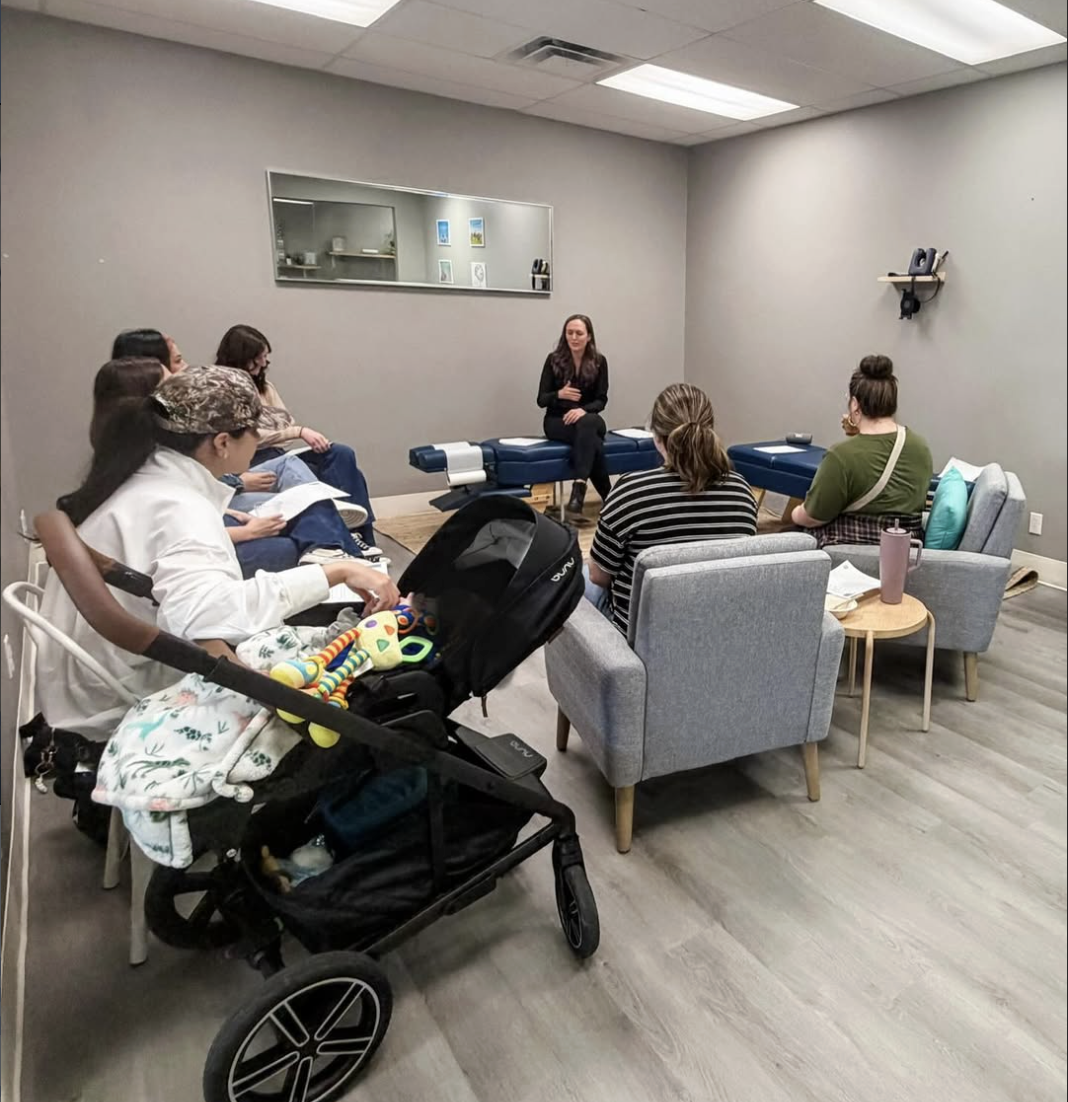
Courage is contagious.
Make it stand out
Whatever it is, the way you tell your story online can make all the difference.
When you’re around other thoughtful, intentional moms:
You feel less alone.
You normalize critical thinking.
You gain strength from shared experience.
This is exactly why we created Motherhood & Mentorship - because confidence grows faster in community.
5. Reframe Discomfort as Growth
If your hands shake while you speak up, that doesn’t mean you’re weak.
It means you’re expanding.
Every time you advocate for your child:
You are building neural pathways of confidence.
You are teaching your nervous system:
“I can do hard things.”
And your children are watching.
The Ripple Effect of Courage
When a mother grows in conviction:
Children learn self-advocacy.
Families strengthen their identity.
Healthcare conversations become collaborative instead of passive.
Communities become more empowered.
Courage isn’t just personal.
It’s generational.
You Don’t Need to Be Fearless
You just need to be willing.
Willing to ask.
Willing to pause.
Willing to question.
Willing to stand firm.
Courage doesn’t eliminate fear. It moves forward anyway.
And like any muscle, the more you use it, the stronger it becomes.
If you’re a mom in Keller, Colleyville, Southlake, or the surrounding areas, navigating healthcare decisions doesn’t have to be done alone. Our team supports families seeking natural, neurologically-focused pediatric chiropractic care in a collaborative and empowering environment.
If you’re looking for a community where you can safely practice this muscle, we’d love to have you at our next Motherhood & Mentorship gathering at Pediatric Chiropractic Center.
Because motherhood was never meant to be done alone.
And courage grows faster together.
Katelyn McCormack, RN, BSN, PHN

ADHD and the Nervous System: A Regulation-Focused Perspective for Parents
ADHD involves more than behavior alone. This article explores how nervous system regulation can influence focus, emotional responses, and daily adaptability - alongside collaborative care.
Parents often arrive at questions about ADHD after a long season of trying to help their child thrive.
They may notice:
Difficulty focusing
Big emotional responses
Impulsivity or restlessness
Challenges with transitions
Trouble sleeping or settling
For some families, these concerns lead to an ADHD diagnosis. For others, they lead to uncertainty, questions, or a sense that something deeper may be going on.
At Pediatric Chiropractic Center, we approach these conversations through a nervous system lens - not to diagnose or replace medical care, but to help families understand regulation, stress patterns, and how the nervous system influences behavior, focus, and adaptability.
What ADHD is - and what it is not
ADHD is a neurodevelopmental condition that affects attention, impulse control, and executive functioning. Diagnosis and medical management fall within the scope of physicians, psychologists, and licensed providers trained to evaluate ADHD.
It’s important to say clearly:
ADHD is real
ADHD is not caused by poor parenting
ADHD is not something chiropractic care diagnoses or treats
At the same time, children with ADHD - and children with ADHD-like behaviors - often experience nervous system stress that can influence how symptoms show up day to day.
That’s where regulation matters.
Understanding regulation and the nervous system
The nervous system is responsible for:
Processing sensory input
Managing stress responses
Supporting focus and attention
Coordinating emotional responses
Transitioning between states (rest, activity, learning)
When a nervous system is under chronic stress, it may spend more time in a heightened or reactive state. In children, this can look like:
Constant movement
Difficulty sitting still
Big reactions to small stressors
Trouble filtering sensory input
Challenges calming down once activated
These patterns don’t define a child - they describe how their nervous system is responding.
Why ADHD-like behaviors can overlap with regulation challenges
Many behaviors associated with ADHD are also seen when the nervous system is overwhelmed or under-supported.
Parents may notice:
Increased impulsivity during times of stress
More difficulty focusing when overtired
Heightened emotional responses after poor sleep
Better regulation in calm, supportive environments
Worsening symptoms during transitions or overstimulation
This overlap doesn’t mean ADHD is “just regulation.”
It means regulation can influence how symptoms are expressed.
The role of sleep in focus and behavior
Sleep is one of the most important regulatory processes for the nervous system.
When sleep is disrupted:
Stress hormones remain elevated
Emotional regulation becomes harder
Focus and adaptability decrease
Sensory tolerance drops
Many families notice that concerns about focus or behavior intensify after long seasons of poor sleep. Understanding how sleep and nervous system regulation interact can provide helpful context for these patterns. In some cases, ongoing sleep disruption can even look like ADHD in younger children.
Addressing sleep does not diagnose or resolve ADHD - but it often provides valuable insight and support.
A collaborative, multi-disciplinary approach matters
Children benefit most when care is collaborative, not competitive.
ADHD support may involve:
Pediatricians or physicians
Psychologists or psychiatrists
Occupational therapists
Speech therapists
Educators
Counselors
Family support systems
Neurologically-focused chiropractic care does not replace these providers. It can, however, serve as a supportive layer focused on nervous system regulation.
How neurologically focused chiropractic care fits in
At Pediatric Chiropractic Center, our role is to:
Assess patterns of nervous system stress
Support regulation and adaptability
Help the nervous system respond more efficiently to its environment
We do not:
Diagnose ADHD
Treat ADHD as a condition
Make medication recommendations
Replace medical or therapeutic care
Instead, we focus on supporting foundational nervous system regulation that allows children to better engage with the care and strategies already in place.
What parents often notice when regulation improves
While every child is different, parents sometimes report:
Easier transitions
Improved emotional recovery
Better sleep quality
Increased resilience during stress
More consistent regulation day to day
These changes don’t define outcomes or guarantees - they reflect how regulation can influence a child’s capacity.
When parents may consider additional support
You may want to explore nervous system-focused support if:
Your child seems constantly overwhelmed
Focus and behavior fluctuate with stress or sleep
Sensory input feels hard to manage
Emotional responses feel intense or prolonged
You’re already working with other providers and want a more comprehensive approach
Parents are often the first to recognize patterns that deserve attention.
A grounded perspective for families
ADHD conversations don’t need to be all-or-nothing.
Understanding your child’s nervous system can:
Provide context
Reduce blame
Increase clarity
Support collaboration with other providers
At PCC, we believe informed parents make confident decisions - and regulation is a meaningful piece of that understanding.
Next steps for families
If you’re navigating questions about focus, behavior, or regulation, you don’t have to sort through it alone.
Learning how the nervous system influences daily function can be a helpful starting point - especially when guided by a neurologically-focused approach alongside the care of your trusted providers.
Dr. Matt McCormack, DC, CCSP, CPPFC
When Sleep Struggles Look Like ADHD: What Parents Should Know
Sleep struggles can affect focus, behavior, and emotional regulation. This article explores how poor sleep can sometimes look like ADHD - and why addressing sleep first can bring clarity.
Many parents start asking questions about focus, behavior, or emotional regulation only after months (or years) of poor sleep.
They might say things like:
“My child can’t focus.”
“Their emotions feel so big.”
“Everything feels harder when they’re tired.”
Sometimes, those concerns raise questions about ADHD. Other times, parents simply know something feels off but can’t quite name it.
What’s often missed in these conversations is how closely sleep and nervous system regulation are connected, and how sleep struggles can sometimes look like ADHD, especially in young children.
Sleep and regulation are deeply connected
Sleep isn’t just rest for the body. It’s a regulatory process for the nervous system.
When a child sleeps well, their nervous system has more capacity to:
Focus
Manage emotions
Adapt to stress
Transition between activities
When sleep is fragmented or difficult, that same nervous system may stay in a more reactive state during the day.
Why poor sleep can affect focus and behavior
A tired nervous system has fewer resources.
When sleep isn’t restorative, parents may notice:
Short attention span
Increased impulsivity
Emotional outbursts
Difficulty transitioning
Sensory sensitivity
Big reactions to small stressors
These behaviors can resemble ADHD traits, especially when viewed without the full context of sleep quality and regulation.
This doesn’t mean sleep “causes” ADHD.
It means sleep can amplify regulation challenges.
When sleep struggles come first
In many families, sleep challenges appear long before concerns about focus or behavior.
Parents often describe:
Difficulty settling at bedtime
A child who seems constantly overtired
More intense behavior on poor-sleep days
This pattern matters because a nervous system that never fully rests may struggle to regulate during the day.
This doesn’t mean ADHD is “just sleep.”
This is an important distinction.
ADHD is a neurodevelopmental diagnosis. It is not caused by sleep problems, and sleep support is not a replacement for appropriate evaluation or care.
However, sleep quality plays a foundational role in how symptoms are expressed, perceived, and managed.
For some children:
Supporting sleep improves regulation
Focus becomes easier
Emotional responses soften
For others:
Sleep support becomes an important piece of a bigger picture
Both can be true.
Why addressing sleep first often brings clarity
When sleep improves, parents and providers gain clearer information.
Better sleep can help answer questions like:
Are behaviors still present when the child is well-rested?
Does focus improve when regulation improves?
Are challenges consistent across environments?
This clarity can be incredibly helpful for families navigating next steps.
How Pediatric Chiropractic Center views sleep and regulation
At Pediatric Chiropractic Center, we look at sleep, behavior, and focus through a nervous system lens.
Our role is not to diagnose ADHD or replace medical care.
Our role is to help identify and support patterns of nervous system stress that may be impacting regulation, both day and night.
Sleep is often one of the first places those patterns show up.
When to consider deeper support
You may want to explore additional support if:
Sleep challenges have been ongoing
Daytime regulation feels increasingly difficult
Your child seems constantly overtired
Behavior worsens after poor sleep
Your intuition says something more is going on
Parents are often the first to notice when sleep and regulation are connected.
A calm next step for parents
If you’re wondering whether sleep, regulation, and focus may be connected for your child, you’re not alone - and you don’t need all the answers right now.
Understanding sleep is often the first step toward understanding regulation more broadly. Next steps: Learn more about sleep and nervous system regulation. For families navigating an ADHD diagnosis or ongoing focus concerns, understanding the broader role of the nervous system can provide helpful context.
Dr. Matt McCormack, DC, CCSP, CPPFC

Motherhood Was Never Meant to Be Done Alone
Modern motherhood can feel isolating and overwhelming. This reflection explores why community is a biological need for moms, how stress is shared, and why no mother was meant to do this alone.
Modern motherhood can feel incredibly isolating.
Many moms today are raising babies without the built-in village that once existed. No nearby grandparents. Fewer neighbors they truly know. Partners working long hours. Friends in different life stages. Add social media comparison on top of that, and it’s no wonder so many moms feel overwhelmed, unsure, and quietly exhausted.
This lack of community doesn’t just affect moms emotionally; it impacts their nervous systems. And because babies are deeply connected to their caregivers, it can influence their babies, too.
Stress Doesn’t Stay Contained — It’s Shared
A mother’s nervous system sets the tone for her household.
When a mom is chronically stressed, overstimulated, or feels unsupported, her body often stays in a heightened state of “fight or flight.” This isn’t a personal failure, it’s biology. Humans are wired for connection, and when that’s missing, the nervous system feels it.
Babies are incredibly perceptive. Long before they understand words, they sense tone, tension, rhythm, and regulation. A stressed nervous system can show up as:
Difficulty settling or sleeping
Increased fussiness or tension
Challenges with feeding or digestion
Trouble self-regulating
This doesn’t mean moms need to be calm all the time. It means moms deserve support so their nervous systems aren’t carrying everything alone.
Community Is a Biological Need, Not a Luxury
For most of human history, mothers raised children alongside other women. There was shared wisdom, shared responsibility, and shared reassurance.
Community provides:
Co-regulation: being around calm, supportive people helps your nervous system settle
Perspective: realizing you’re not the only one experiencing challenges
Confidence: learning from others shortens the learning curve of motherhood
Belonging: knowing you’re seen, heard, and supported
When moms feel supported, their nervous systems regulate more easily. When a mom’s nervous system is regulated, her baby benefits.
It’s that simple and that powerful.
Like-Minded or Open-Minded Matters
Community doesn’t mean everyone parents the same way.
What matters is being surrounded by people who are:
Curious instead of judgmental
Supportive instead of dismissive
Willing to listen instead of correcting
Open to growth instead of comparison
Whether moms share similar values or are simply open-minded and respectful, those relationships create emotional safety — which is a key ingredient for nervous system health.
Why This Matters to Us at PCC
At Pediatric Chiropractic Center, we see every day how deeply connected moms and babies are.
We care for babies’ nervous systems, but we also care about the environment those nervous systems are developing in. That includes emotional support, stress levels, confidence, and connection.
That’s why we believe cultivating community is not “extra.” It’s foundational.
When moms feel supported:
They trust their instincts more
They stress less about doing everything “right”
They regulate more easily under pressure
Their babies benefit from that regulation
You’re Not Meant to Carry This Alone
If motherhood feels heavier than you expected, it doesn’t mean you’re doing it wrong. It likely means you’re doing it without enough support.
Seeking out community, whether through in-person gatherings, small groups, or intentional connections, is one of the most regulating, healing choices a mom can make for herself and her baby.
Motherhood is challenging enough. It was never meant to be isolating.
And you deserve a village.
Join us on the 3rd Saturday of the month for Motherhood and Mentorship.
Call the office to join our village.
Katelyn McCormack, RN, BSN, PHN
Sleep Training vs Nervous System Regulation: What Parents Should Know
Sleep training doesn’t work for every child. This article explains how nervous system regulation differs from behavior-based sleep strategies and why readiness matters.
Few parenting topics feel as loaded as sleep training.
Many parents come into our office asking:
“Do I have to sleep train?”
“Is sleep training bad for my baby?”
“Why didn’t sleep training work for us?”
These are valid questions - and the answer is often more nuanced than what’s found online.
This article explains the difference between sleep training and nervous system regulation, and why understanding that difference matters.
In a hurry? Here’s the short answer
Sleep training focuses on behavior.
Nervous system regulation focuses on physiology.
For some children, sleep strategies work easily.
For others, sleep struggles persist because the body isn’t fully ready to relax - no matter how consistent the routine.
What sleep training is designed to do
Sleep training methods generally aim to:
Teach independent settling
Reduce night wakings
Create predictable sleep patterns
These approaches assume that a child’s nervous system is:
Capable of self-soothing
Able to shift into rest
Comfortable transitioning between sleep cycles
For some children, this is true.
For others, it’s not - yet.
Why sleep training doesn’t work for every child
When sleep training fails, parents are often told:
“Be more consistent”
“They’re testing boundaries”
“You just need to stick with it longer”
But if a child’s nervous system is under stress, consistency alone doesn’t solve the problem.
Signs sleep training may not align with a child’s needs include:
Escalating distress
More frequent night wakings
Short naps
Increased daytime dysregulation
A child who sleeps better when supported than when alone
What nervous system regulation focuses on instead
Nervous system regulation looks at why sleep is difficult, not just how to change it.
This includes considering:
How easily a child shifts into a calm state
Whether the body can fully relax
Sensory sensitivity
Digestive comfort
Tension patterns
Stress from birth or illness
When regulation improves, sleep often becomes:
Easier to initiate
Deeper
Less fragmented
More sustainable
Sleep training vs regulation: not always either/or
This is important to say clearly:
Sleep training and nervous system regulation are not enemies.
Some families:
Choose sleep training
Modify sleep strategies
Or wait until regulation improves before introducing changes
What matters most is whether the child’s nervous system is ready.
Why some babies only sleep with support
One common reason parents feel conflicted about sleep training is contact sleep.
Babies who:
Wake immediately when placed down
Need constant support
may not yet have the physiological capacity to self-settle.
How PCC approaches sleep conversations
At Pediatric Chiropractic Center, we don’t push a single sleep philosophy.
We focus on:
Supporting regulation
Helping parents make informed choices
The goal is not to force independence - it’s to help sleep feel safer and easier over time.
When to pause, modify, or rethink sleep strategies
You may want to reconsider your approach if:
Sleep strategies increase distress
Your child becomes more overtired
Daytime behavior worsens
Your intuition says something isn’t right
Parents are not failing when sleep strategies don’t work - they may simply be responding to a child who needs more regulation first.
Final thoughts for parents
You don’t have to choose sides.
Understanding your child’s nervous system gives you context, clarity, and confidence - whether you sleep train, modify strategies, or wait.
Sleep isn’t about willpower.
It’s about readiness.
Dr. Matt McCormack, DC, CCSP, CPPFC
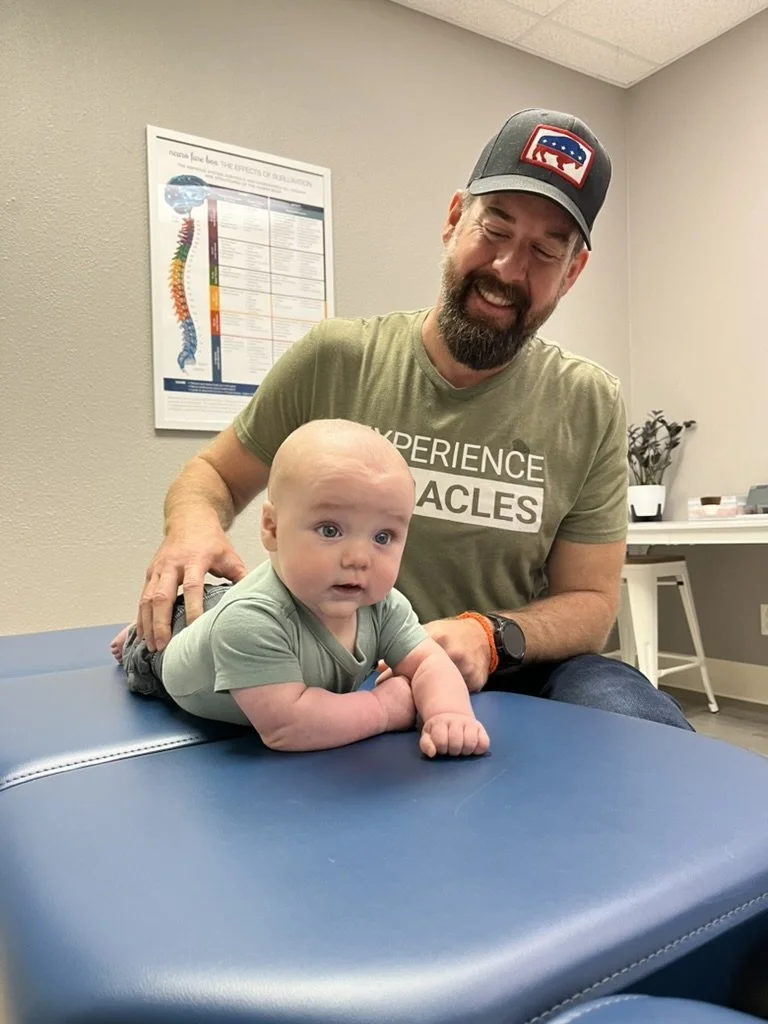
Baby Won’t Sleep Unless Held? What This Can Mean for Your Child’s Nervous System
If your baby will only sleep when held and wakes the moment you put them down, you’re not doing anything wrong. Learn what contact sleep can signal about nervous system regulation and how to gently support more restful sleep.
If your baby will only sleep when held - and wakes the moment you put them down - you’re not creating bad habits.
You’re responding to your baby’s need for comfort and regulation.
For many families, this pattern isn’t about sleep training or routines. It’s about how a baby’s nervous system is responding to stress, comfort, and safety.
This guide explains why contact sleep happens, what it can signal, and how to gently support your baby toward more restful sleep.
In a hurry? Here’s the short answer
When a baby only sleeps when held, it often means:
Their nervous system settles best with external regulation (aka co-regulation)
They have difficulty fully relaxing on their own
Sleep transitions feel unsafe or uncomfortable
Contact provides pressure, warmth, and safety cues
This is common, biological, and not a parenting failure.
Why contact sleep is so common (especially in babies)
Newborns and young infants are not born with mature self-regulation.
They rely on:
Touch
Movement
Warmth
Heartbeat
Breath rhythm
Holding provides all of these at once.
When a baby is placed down, especially if their nervous system is already under stress, the sudden loss of these cues can trigger a startle or waking response.
This isn’t manipulation - it’s survival physiology.
What contact sleep can tell us about regulation?
Many babies outgrow contact sleep naturally as their nervous systems mature.
However, when contact sleep persists despite consistent routines, it may indicate:
Heightened startle reflex
Sensory sensitivity
Digestive discomfort
Tension patterns in the body
Stress from birth, illness, or developmental transitions
Signs your baby may need more support beyond routines
Parents often notice:
Waking every 30–60 minutes
Needing to be held all night
Short naps that only happen on a parent
Strong startle when placed down
Better sleep during motion than stillness
Fussiness or stiffness during transitions
These signs don’t mean something is “wrong” - they suggest the nervous system may need additional support.
Why “just put them down drowsy” doesn’t always work
Advice like:
“Put them down awake”
“They need to learn”
“You’re creating habits”
assumes the nervous system is ready to self-settle.
For some babies, it isn’t - yet.
Trying to force independence before regulation is in place often leads to:
More waking
More distress
More exhaustion for everyone
Sleep improves when the body feels safe enough to let go.
What can help support your baby’s nervous system?
Gentle regulation support may include:
Predictable rhythms (not rigid schedules)
Reducing daily sensory overload
Supporting digestion and comfort
Gentle movement and pressure
Addressing tension patterns
Consistent, calm bedtime cues
These strategies work best when paired with an understanding of why your baby seeks contact in the first place.
How Pediatric Chiropractic Center approaches contact sleep
At Pediatric Chiropractic Center, we view contact sleep through a nervous system lens.
Our approach focuses on:
Identifying stress patterns
Supporting regulation
Helping the body transition into rest more easily
The goal is not to eliminate contact prematurely - it’s to help sleep become more comfortable and sustainable over time.
When to consider additional support
You may want to seek further evaluation if:
Sleep has not improved over time
Your baby seems chronically overtired
Daytime regulation is difficult
Feeding or reflux concerns are present
Your intuition says something deeper is happening
Parents are often the first to recognize when sleep struggles go beyond routine tweaks.
Take the next step
If your baby won’t sleep unless held and you feel stuck, you’re not alone - and support is available!
Learn more about sleep and nervous system regulation
Dr. Matt McCormack, DC, CCSP, CPPFC
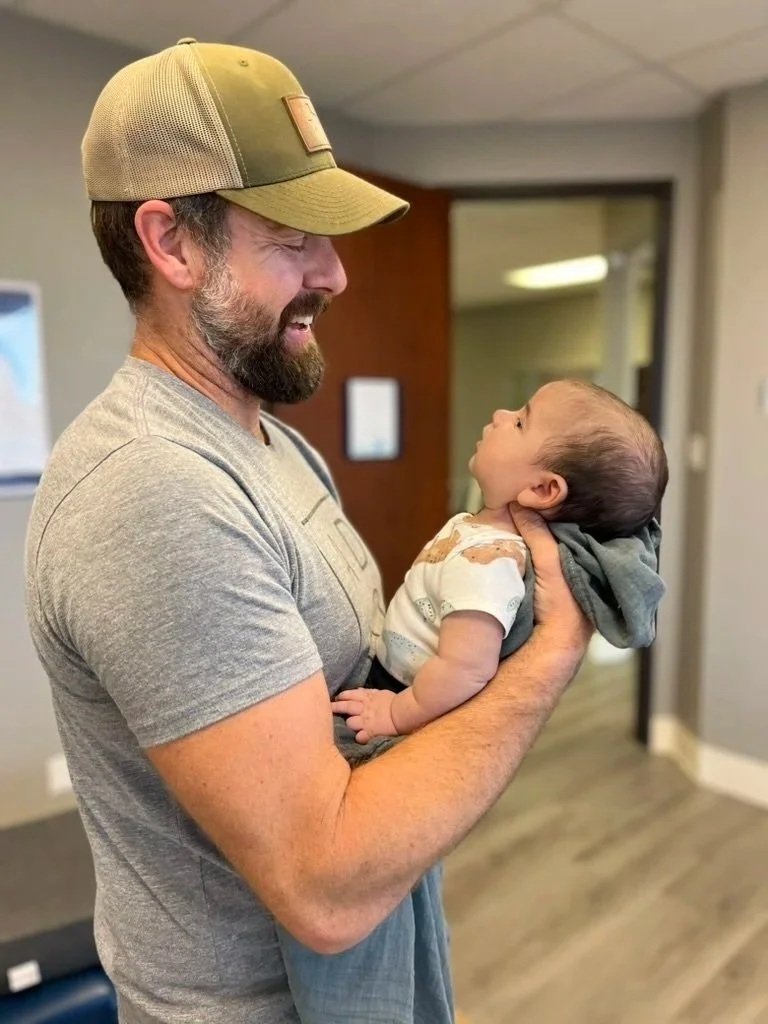
Why My Baby Isn’t Sleeping: A Nervous System–Based Guide for Parents
If your baby wakes frequently, won’t sleep unless held, or struggles to settle, this guide explains the nervous system connection - and what helps.
If your baby or toddler isn’t sleeping - waking frequently, needing to be held, fighting naps, or never settling, you’re not alone.
And you’re not doing anything wrong!
Sleep challenges are one of the most common reasons parents seek help, and while sleep schedules, routines, and training methods are often suggested, many families find that those approaches don’t actually solve the problem.
That’s because sleep isn’t a habit issue first.
It’s a nervous system issue.
This guide will help you understand why your child may be struggling with sleep and what actually supports rest and regulation.
In a hurry? Here’s the quick answer
If your baby isn’t sleeping well, it’s often because:
Their nervous system is stuck in fight-or-flight
Their body has trouble fully relaxing
Stress signals override sleep signals
Sleep pressure builds, but regulation doesn’t
When the nervous system can’t shift into rest, sleep becomes fragile, short, or impossible without help.
What “normal” sleep really looks like by age
One of the most confusing things for parents is being told what sleep should look like - when their lived experience looks nothing like that.
Here’s what matters more than hours slept:
Ability to fall asleep without distress
Ability to transition between sleep cycles
Ability to return to sleep after waking
Overall daytime regulation
A child can technically “sleep through the night” and still be dysregulated.
Another may wake but settle easily and be well regulated.
Sleep quality is about regulation, not perfection.
Why sleep challenges aren’t “just habits”
Many parents are told:
“They’ll grow out of it”
“You’re creating bad habits”
“Just be consistent”
But if a child’s nervous system is under stress, consistency alone doesn’t work.
When the nervous system perceives threat - real or perceived - it prioritizes survival over sleep. That looks like:
Light sleep
Frequent waking
Short naps
Early morning wakings
Needing constant contact
This isn’t defiance or dependence.
It’s biology.
The nervous system + sleep connection
Sleep is governed by the autonomic nervous system, which has two main branches:
Sympathetic (fight or flight)
Parasympathetic (rest and digest)
For sleep to happen easily and deeply, the body must shift into parasympathetic mode.
When a child’s system stays in sympathetic dominance, sleep becomes:
Fragmented
Short
Unsettled
Highly sensitive to change
Common stressors that impact regulation include:
Birth stress
Tension patterns in the body
Sensory overload
Digestive discomfort
Developmental transitions
Illness or repeated ear infections
Prematurity or NICU experience
Signs of sleep issues may be nervous-system-based
Parents often notice:
Waking every 30–90 minutes
Needing motion, holding, or feeding to stay asleep
Short naps (20–40 minutes)
Startle reflex during sleep
Sweating or restless movement at night
Difficulty settling, even when tired
Better sleep during contact than alone
These are regulation clues, not sleep failures. Some babies show signs of dysregulation through patterns like frequent night waking, short naps, or when a baby only sleeps when held, which can signal difficulty fully relaxing into sleep.
What helps at home (and what often doesn’t)
What can help:
Predictable rhythms (not rigid schedules)
Reducing overall daily stress
Supporting digestion and comfort
Gentle sensory input
Creating safety cues before sleep
What often doesn’t work long-term:
Forcing self-soothing when the system isn’t ready
Ignoring physiological stress signals
Over-scheduling or under-resting
Treating sleep as a behavioral issue alone
Sleep improves when regulation improves. Many parents feel pressure to choose between sleep training and responsive approaches, but understanding the difference between behavior-based strategies and nervous system regulation can provide clarity when sleep training isn’t working.
When sleep issues are a red flag
You may want additional support if:
Sleep hasn’t improved despite consistent routines
Your child seems constantly overtired
Daytime behavior worsens with sleep efforts
Feeding, reflux, or digestion issues are present
Your intuition says something deeper is going on
Parents are often the first to sense nervous system stress - before it shows up anywhere else. When sleep is disrupted over time, parents may notice changes in focus, emotional regulation, or behavior. In some cases, sleep struggles can even look like ADHD, especially in young children.

How PCC supports sleep challenges
At Pediatric Chiropractic Center, we look beyond surface sleep behaviors.
Our focus is on:
Identifying stress patterns affecting sleep
Supporting the body’s ability to shift into rest
Helping sleep become more natural and sustainable
The goal isn’t to “train” sleep.
It’s to help the nervous system feel safe enough to rest.
Frequently asked questions
Is it normal for babies to wake at night?
Yes - but frequent waking combined with difficulty settling often signals regulation challenges rather than normal development alone.
Can chiropractic care help with sleep?
Many families see improvements in sleep when nervous system stress is reduced, and regulation improves.
Does this replace sleep training?
No. Regulation supports sleep readiness. Families can still choose sleep strategies that align with their values - often with better success once regulation is restored.
How long does it take to see improvement?
Every child is different. Many families notice changes in settling, duration, or quality of sleep as regulation improves.
Take the next step
If your child isn’t sleeping and you feel stuck, support is available.
👉 Schedule a nervous system–focused sleep consultation
👉 Learn whether regulation may be impacting your child’s sleep
Sleep isn’t about willpower.
It’s about how safe the nervous system feels.
Dr. Matt McCormack, DC, CCSP, CPPFC

How Our Neurological Scans Reveal the Root Cause of Behavioral or Sensory Challenges
Learn how neurological scans at PCC uncover hidden causes of behavior and sensory challenges in children. A data-driven approach for lasting change.
For many families, navigating behavioral or sensory challenges in children can feel overwhelming. When meltdowns, attention issues, or hypersensitivity start affecting everyday life, parents are often left searching for answers — and solutions that go beyond surface-level symptom management.
At Pediatric Chiropractic Center (PCC), we take a radically different approach. We look deeper. Specifically, we look at how well your child’s nervous system is functioning — and how stress in that system might be affecting their behavior, mood, and development.
What Is a Neurological Scan — and Why Does It Matter?
Our CLA INSiGHT® scans are a set of non-invasive tools that measure how the brain and body are communicating. Think of it like a blueprint of your child’s internal wiring. These scans give us a measurable view of how stress is stored in the nervous system — and how that stress may be interfering with their daily function.
We focus on three core metrics:
Heart Rate Variability (HRV) – a window into your child’s adaptability and resilience.
Thermography – shows imbalances in the autonomic nervous system.
Surface EMG – maps muscle tension and neurological tone in the spine.

Image of Neurological Scans, EMG from Pediatric Chiropractic Center Colleyville TX
Together, these scans give us a comprehensive picture of where stress and dysregulation are happening.
Behavior and Sensory Challenges Are Often Neurological
When the nervous system is stuck in a state of fight-or-flight, kids may show signs of:
Meltdowns or frequent emotional outbursts
Trouble focusing or sitting still
Sensory overwhelm (sensitive to sound, light, or clothing)
Poor sleep or digestion
Rather than labeling or medicating these patterns, our scans help us identify the why — often revealing that the child’s nervous system is under more stress than it can handle.
Why PCC's Approach Works
We’re one of the few pediatric chiropractic offices in the region using advanced, tech-driven assessments to create individualized care plans. That’s what makes our results so powerful:
No guessing. Every recommendation is rooted in data.
Progress tracking. We re-scan periodically to show how the nervous system is adapting.
Family-centered care. We educate and empower parents every step of the way.
Pediatric Chiropractic Center Insight Scans - Why We Scan
A Real-World Example
One of our recent patients, a 5-year-old boy named Jaxon, struggled with transitions, tantrums, and frequent sensory overload. His parents had tried occupational therapy, diet changes, and behavioral programs — with limited success.
After a neurological scan at PCC, we identified key areas of stress in his upper cervical spine and autonomic system. Within weeks of beginning care, Jaxon’s parents reported fewer meltdowns, improved sleep, and better communication.
What to Expect During a Scan
Our scans are painless, safe, and kid-friendly. There are no needles or scary machines — just a few gentle tools that help us read your child’s neurological patterns. The entire process takes less than 15 minutes.
Let’s Get to the Root Together
Your child’s behaviors are not random. There is a reason — and at Pediatric Chiropractic Center, we’re here to help you find it. Our mission is to uncover the root cause of neurological stress and create a plan that supports healing from the inside out.
Book your child’s neurological scan today and take the first step toward clarity, answers, and lasting change.

The Hidden Stressors on Your Child's Nervous System — And How We Can Help
Discover how stress in your child’s nervous system could affect sleep, mood & digestion. Learn how Pediatric Chiropractic Center helps restore calm.
In today’s fast-paced, overstimulated world, children are experiencing more stress than ever before — and much of it is hidden beneath the surface. At Pediatric Chiropractic Center, we specialize in identifying and addressing these hidden stressors by focusing on the most critical system in your child’s body: the nervous system.
What Are Nervous System Stressors?
Nervous system stressors can be physical (birth trauma, poor posture, tech use), chemical (toxins, poor diet), or emotional (overstimulation, anxiety). These stressors can interfere with how the brain and body communicate, leading to issues like:
Difficulty sleeping
Digestive problems
Behavior or sensory challenges
Developmental delays
Recurring illnesses
Why Traditional Approaches Miss the MarkMost traditional pediatric evaluations don’t look at neurological function in depth. That’s where we come in. Our office uses cutting-edge, non-invasive technology — including CLA INSiGHT® scans — to measure how well your child’s nervous system is functioning. We don’t guess — we test.
Neurological scan results from Pediatric Chiropractic Center.
The PCC Difference: Root-Cause Care
At Pediatric Chiropractic Center, we don’t chase symptoms. We work to uncover the root cause of your child’s challenges through:
Detailed health history and neurological intake
INSIGHT SCANS that measure stress and imbalance
Personalized care plans designed to restore balance
By identifying where stress is stored and how it’s affecting development, we can help your child’s body return to a more calm, regulated, and adaptable state.
Real Results from Real Families
We’ve seen firsthand the transformation in children who struggled with focus, tantrums, or recurring illnesses. Once their nervous system was clear and connected, the difference was night and day. One of our favorite moments is when parents say, “I finally feel like I have my child back.”
Why Early Intervention Matters
The earlier we identify and support neurological stress, the greater the long-term benefits. Whether your child is a newborn or in middle school, their nervous system plays a foundational role in every function — from sleep and digestion to learning and behavior.
Take the First Step
If your child has been struggling and you’re not sure why, a neurological scan is the best place to start. Check out this video about our scan process. It’s non-invasive, easy, and incredibly insightful. At PCC, we aim to give you answers, a plan, and renewed hope!
Ready to learn more? Schedule your child’s new patient exam today and discover how we can help them thrive from the inside out!

Decoding Autism: Exploring Genetics, Triggers, and Hope
As parents, we're constantly navigating the unknown, seeking answers and solutions for our children's well-being. One of the most daunting challenges many of us face is understanding autism and its causes. With autism rates skyrocketing, affecting 1 in 36 children today, it's important that we look into the factors contributing to this complex condition.
Trying to understand autism often begins with one burning question: Is autism genetic? Still today, many of us hold onto the assumption that genetics and heritability solely explain the sharp increases in autism diagnoses and the wide variation in symptoms across the spectrum. However, we're here today to contest that assumption and introduce an empowering new perspective.
As parents, we're constantly navigating the unknown, seeking answers and solutions for our children's well-being. One of the most daunting challenges many of us face is understanding autism and its causes. With autism rates skyrocketing, affecting 1 in 36 children today, it's important that we look into the factors contributing to this complex condition.
Trying to understand autism often begins with one burning question: Is autism genetic? Still today, many of us hold onto the assumption that genetics and heritability solely explain the sharp increases in autism diagnoses and the wide variation in symptoms across the spectrum. However, we're here today to contest that assumption and introduce an empowering new perspective.
While genes undoubtedly play a role through genetic predisposition, even traditional medical doctors and media outlets are starting to acknowledge the existence of an "environmental" factor. However, they often stop short of this acknowledgment, leaving the concept of the environment as a vague blanket statement. Here's where we differ – our goal is to take you deep into the real root causes and known triggers of Autism Spectrum Disorders (ASD).
Today, we understand that there's a full-on environmental "Perfect Storm" brewing for children struggling with autism, and genetics only plays a small part in the bigger picture.
This blog is for you, parents, and caregivers of children anywhere on the autism spectrum seeking clarity, community, and care options that dive deep into the true root cause of autism. Rather than simply attributing it to genetics and hoping to navigate around its challenges, we aim to provide understanding and actionable solutions.
We'll introduce what we call “The Perfect Storm," where accumulated stressors and dysfunctions disrupt nervous system function over months and years, altering childhood development. We want to provide you with drug-free answers that will help your child through their storm.
What “Environmental Factors” Contribute to Autism?
We know without a doubt that genetics alone don't tell the full story when it comes to autism. While over 100 genes contribute to autism risk, mutations account for only 10% of cases. This prompts us to explore the environmental factors that contribute to this condition.
So, what are these environmental factors that matter most? As Neurologically-Focused Chiropractors, we go way back to the beginning. Prenatal or maternal stress emerges as a significant factor in the development of autism. Pregnancy can trigger the start of the Perfect Storm, where your stress as a pregnant mother can affect your baby’s development. If you're stressed during pregnancy and stuck in a fight-or-flight sympathetic stress response, your baby shares those stress hormones through the umbilical cord, which connects your nervous systems.
Birth trauma also plays a pivotal role. During childbirth, interventions like forceps, vacuum extraction, and c-sections can worsen the storm. They exert great pressure on your baby’s head, neck, and delicate brainstem, potentially causing significant physical trauma, especially to the brainstem and nervous system.
This leads to subluxation, and when your child’s nervous system is stressed to the max, other challenges arise. Their immune and digestive systems suffer, resulting in frequent illnesses. Traditional pediatricians often prescribe antibiotics and other medications, which can make things worse by disturbing the gut-brain connection.
And it doesn’t end there. Factors such as exposure to electromagnetic fields (EMFs), household toxins like mold, chemicals in everyday products, and toxins in medications and medical interventions should all be considered.
Environmental Factors Lead to a Dysregulated Nervous System
What do these stressors and toxins do to a child's developing nervous system? They create a neurological "tipping point," where the delicate balance is disrupted, and the nervous system becomes locked into a state of sustained fight-or-flight response.
This nervous system dysregulation has far-reaching implications, affecting various aspects of a child's health and development. From compromised gut and immune function to challenges with motor skills, sleep, and inflammation, the ripple effects are profound.
As these challenges accumulate, the brain and nervous system struggle to cope, manifesting in the core elements of autism. Communication difficulties, social interaction challenges, sensory processing issues, stimming, and restricted/repetitive behaviors become apparent indications of this underlying dysregulation.
Neurologically-Focused Chiropractic Care Can Help
So, parents, if your child has been diagnosed with autism and you've been told that there's nothing you can do to help because it's "purely genetic," it's time to go deeper. Understanding the role that environmental factors may have played will help you discover how your child can truly heal and experience a significantly improved quality of life.
At Pediatric Chiropractic Center, we understand the deep, true neurological reasons behind the rise in autism, and we are able to use advanced technology, INSiGHT Scans, to find subluxation and neurological imbalances. Improvement is possible! By targeting root causes, we can gradually restore nervous system function through gentle chiropractic adjustments. Don’t hesitate to reach out to the Pediatric Chiropractic Center today and learn that shifting your framework empowers you to open up new paths to progress for your child. If you are not local to us, check out the PX Docs directory to find a PX Doc near you!
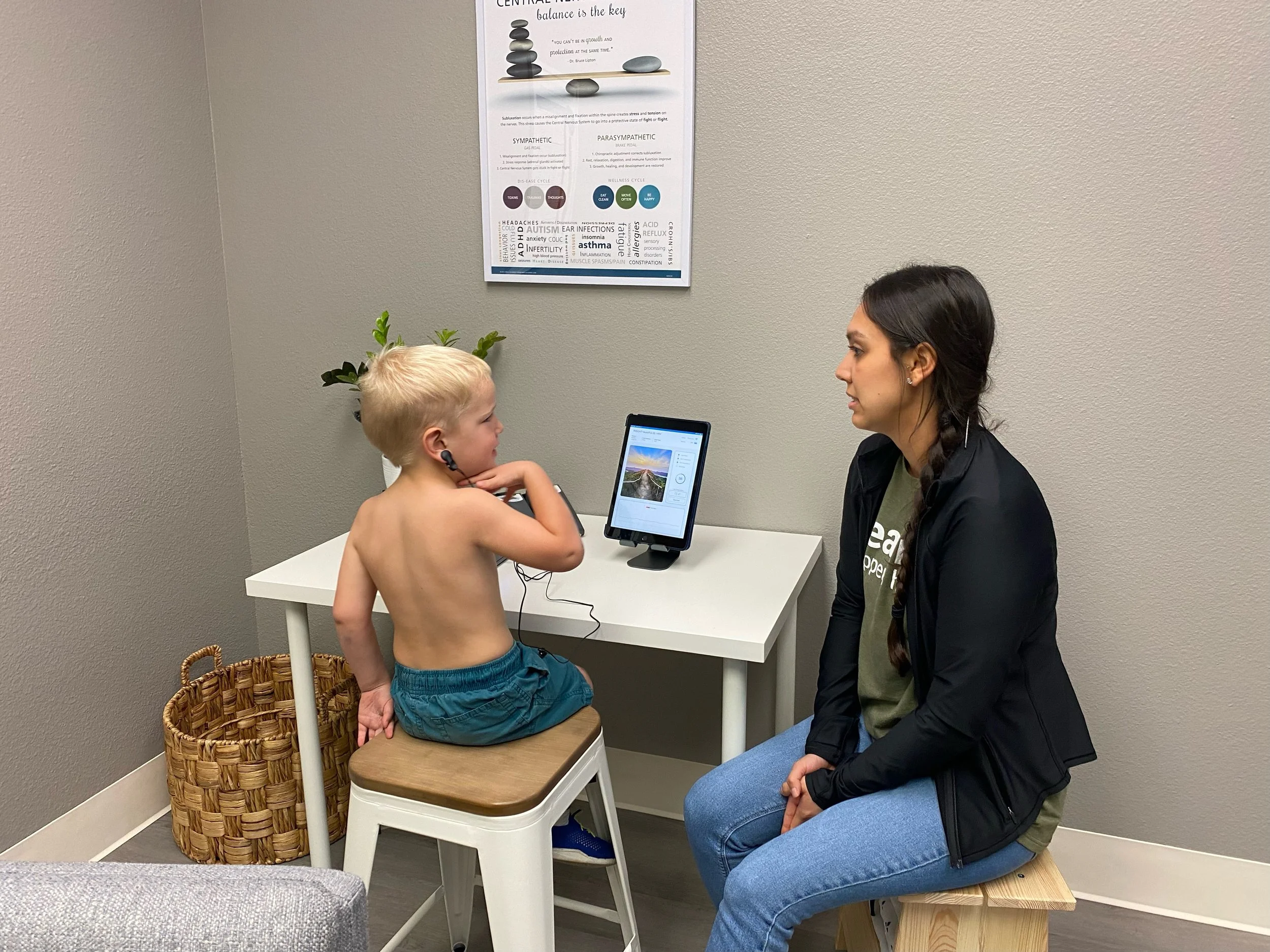
HRV Insights: Understanding Stress Impact on Baby's Nervous System Development
If you're curious about how your emotional well-being impacts your baby's well-being and resilience, this is for you. Together, we'll dive into the science behind proactive measures for nurturing your baby's nervous system. We want to help mothers eager to nurture nervous system growth in their developing baby by moderating stress. You’ll learn about the direct impact of maternal distress and anxiety on babies in the womb, affecting their neurological development.
The moment those two lines appear on the pregnancy test, the most joyful journey begins for expectant mothers. It's a time filled with wonder, excitement, and, undoubtedly, a touch of anxiety about your baby's health and future.
As your little one grows within the womb, you might find yourself thinking about the effects of your stress and any potential disruptions that could happen during childbirth. It’s common to wonder if your emotional state could influence your baby's neurological development.
Fortunately, advancements in research and technology now offer mothers a remarkable opportunity to play an active role in shaping their baby's neural health from the earliest stages of pregnancy. Heart rate variability tracking emerges as a cutting-edge insight among these innovations.
So, if you're curious about how your emotional well-being impacts your baby's well-being and resilience, this is for you. Together, we'll dive into the science behind proactive measures for nurturing your baby's nervous system. We want to help mothers eager to nurture nervous system growth in their developing baby by moderating stress. You’ll learn about the direct impact of maternal distress and anxiety on babies in the womb, affecting their neurological development.
Alex’s Story of Hope
Before welcoming their beautiful baby Boden, Alex and Griffin prioritized preparing Alex's body for pregnancy through Neurologically-Focused Chiropractic Care. Their journey began with preconception chiropractic sessions aimed at optimizing Alex's health.
After conceiving, Alex continued chiropractic care throughout her pregnancy, ensuring her body was well-prepared for labor and delivery. When Boden arrived, they welcomed him into the world with ease, a testament to Alex's proactive approach to wellness.
At just 3 days old, Boden received his first chiropractic adjustment, setting the stage for a healthy start to life. From improving latch to addressing newborn discomforts, chiropractic care has played a crucial role in Boden's early development.
Through their journey, Alex and Griffin have witnessed the profound impact of Neurologically-Focused Chiropractic Care on Boden's health and happiness. Their story serves as a reminder of the importance of proactive care in the journey from preconception to parenthood.
Understanding the Science: Nurturing Your Baby’s Development
Alex and Boden’s journey is truly inspiring. To understand how maternal health impacts your baby's development in the womb, let's look into the crucial role of the nervous system during pregnancy.
The autonomic nervous system, anchored by the vagus nerve, orchestrates vital functions supporting fetal growth and regulating conditions in the womb. This intricate "command center" ensures your baby receives oxygen and nutrients and maintains a healthy heartbeat and development.
Your nervous system serves as the "mission control," driving the proper development of your baby’s brain, organs, and tissues. Remarkably, your baby’s nervous system remains connected to yours via the umbilical cord, sharing not just DNA but also stress signals.
Research reveals that maternal anxiety and distress can activate fight-or-flight responses in your baby, impacting developmental milestones. Chronic tension can interfere with emotional regulation and sensory processing even before birth, potentially leading to birth complications.
Emerging prenatal assessments, like heart rate variability (HRV) tracking, offer insights into nervous system health. HRV scans measure variability between beats, providing clues about your baby’s neurological growth and stress resilience.
Advanced HRV tracking now offers insights into nervous system patterns in pregnant women, with higher readings indicating balanced signaling benefiting the baby's growth, while lower readings are associated with pregnancy, birth, and future challenges.
With this knowledge, expectant mothers can implement tailored interventions like, most importantly, consistent Neurologically-Focused Chiropractic Care, and also breathing exercises, mindfulness training, and stress relief regimens to benefit both mother and baby.
Learn More About HRV Technology
So, if you’re intrigued by how HRV technology can empower you as an expectant mother, please reach out to Pediatric Chiropractic Center today! If you are not local to us, check out the PX Docs directory to find a local PX Doc near you.