Parent-friendly guidance on sleep, preemies, ADHD, and nervous system regulation. Serving Colleyville, Keller, and DFW families.
Start Here
Looking for guidance on your childβs health? These resources are the best place to begin, based on the most common concerns we see at Pediatric Chiropractic Center.
Baby & Toddler Sleep Support
Learn why sleep struggles are often rooted in nervous system regulation and what actually helps.
ADHD & Focus Challenges
A nervous system perspective on focus, behavior, and emotional regulation.
Preemie & NICU Baby Support
Support for families navigating life after the NICU and early nervous system stress.
Neurological Regulation & Seizures
Educational support for families navigating seizures or neurological events, with a focus on nervous system regulation and whole-child care.
Blogs & Resources
Many children with ADHD experience sensory sensitivities or overstimulation. Learn how sensory processing and nervous system regulation can influence focus and behavior.
Courage in motherhood isnβt about being fearless - itβs about standing firm in your values. Discover how families in Keller and Colleyville are building confidence through community and neurologically focused pediatric chiropractic care.
ADHD involves more than behavior alone. This article explores how nervous system regulation can influence focus, emotional responses, and daily adaptability - alongside collaborative care.
Sleep struggles can affect focus, behavior, and emotional regulation. This article explores how poor sleep can sometimes look like ADHD - and why addressing sleep first can bring clarity.
Modern motherhood can feel isolating and overwhelming. This reflection explores why community is a biological need for moms, how stress is shared, and why no mother was meant to do this alone.
Sleep training doesnβt work for every child. This article explains how nervous system regulation differs from behavior-based sleep strategies and why readiness matters.
If your baby will only sleep when held and wakes the moment you put them down, youβre not doing anything wrong. Learn what contact sleep can signal about nervous system regulation and how to gently support more restful sleep.
If your baby wakes frequently, wonβt sleep unless held, or struggles to settle, this guide explains the nervous system connection - and what helps.
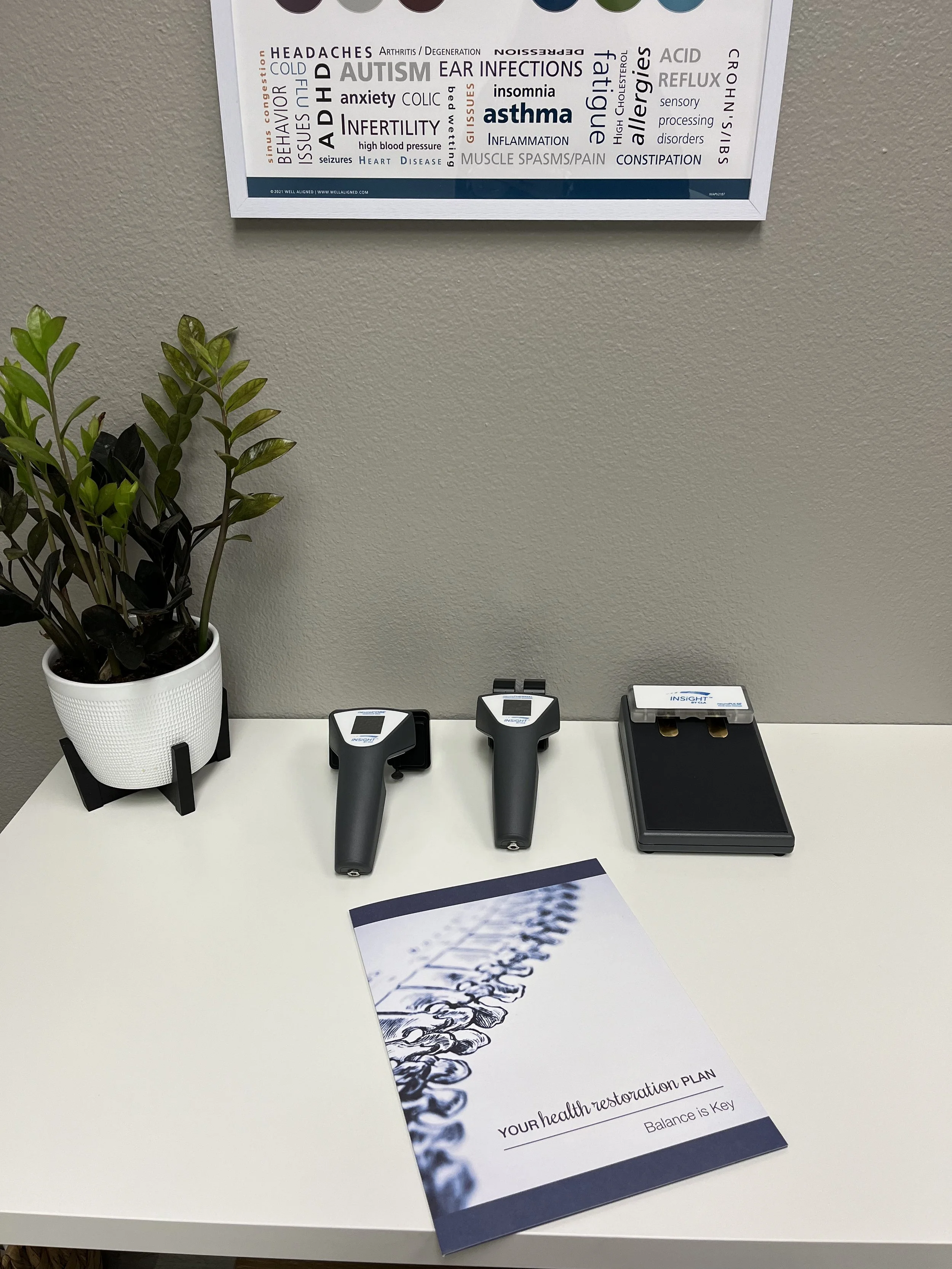
Learn how neurological scans at PCC uncover hidden causes of behavior and sensory challenges in children. A data-driven approach for lasting change.
Discover how stress in your childβs nervous system could affect sleep, mood & digestion. Learn how Pediatric Chiropractic Center helps restore calm.
As parents, we're constantly navigating the unknown, seeking answers and solutions for our children's well-being. One of the most daunting challenges many of us face is understanding autism and its causes. With autism rates skyrocketing, affecting 1 in 36 children today, it's important that we look into the factors contributing to this complex condition.
Trying to understand autism often begins with one burning question: Is autism genetic? Still today, many of us hold onto the assumption that genetics and heritability solely explain the sharp increases in autism diagnoses and the wide variation in symptoms across the spectrum. However, we're here today to contest that assumption and introduce an empowering new perspective.
If you're curious about how your emotional well-being impacts your baby's well-being and resilience, this is for you. Together, we'll dive into the science behind proactive measures for nurturing your baby's nervous system. We want to help mothers eager to nurture nervous system growth in their developing baby by moderating stress. Youβll learn about the direct impact of maternal distress and anxiety on babies in the womb, affecting their neurological development.
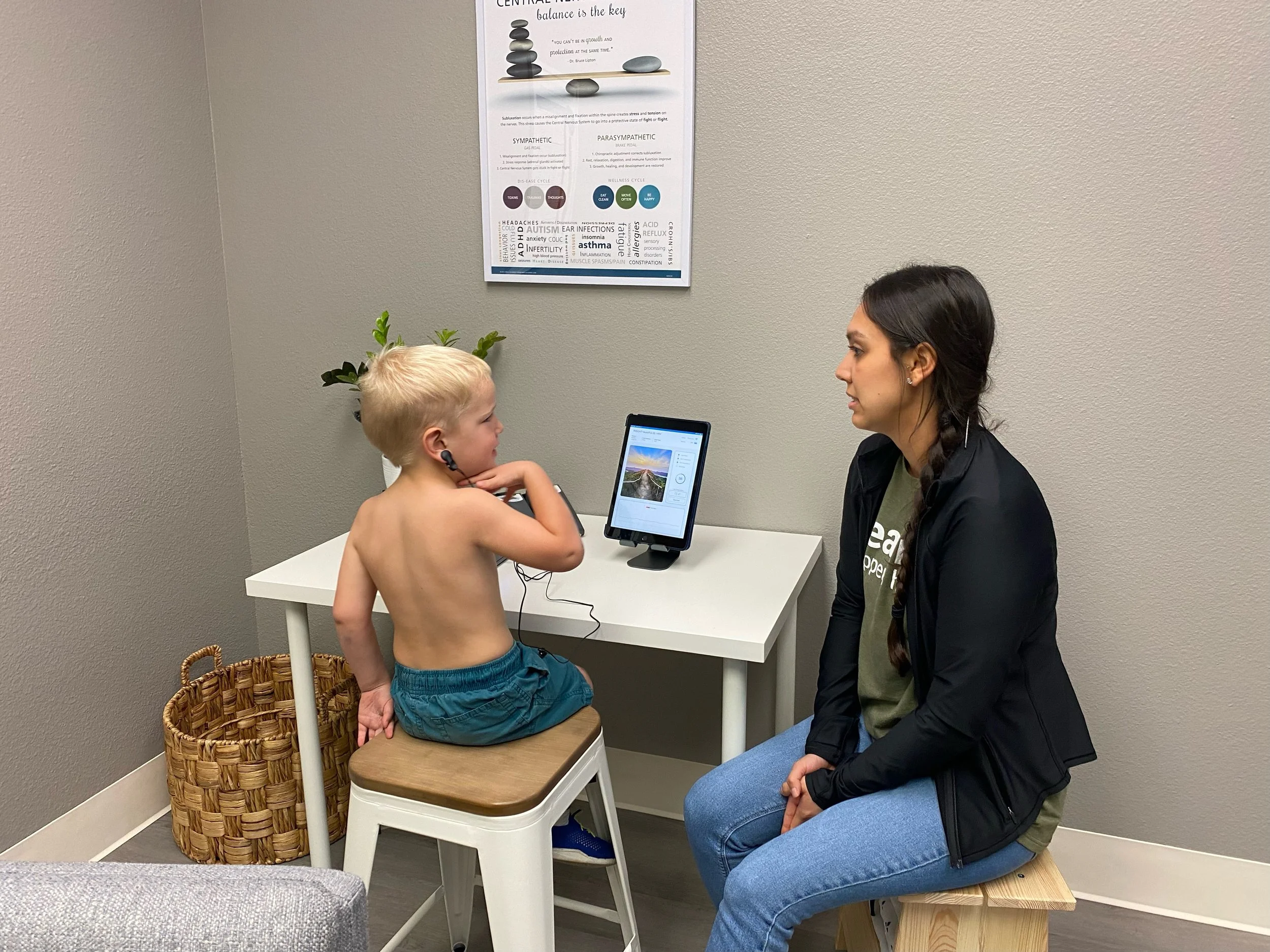
When we craft a Clinical, Science-based Care Plan for your child, every aspect revolves around nurturing neuroplasticity. It begins with our doctors taking the time to genuinely listen to your concerns, setting goals collaboratively, and leveraging cutting-edge technology to assess the state of your childβs nervous system.
As a parent, nothing can prepare you for the distress of seeing your baby cry inconsolably for hours on end. If your little one is crying for more than three hours a day and seems impossible to comfort, there is a good chance they are experiencing colic - a diagnosis that affects about 25% of infants, leaving many families feeling overwhelmed and helpless.
Itβs important to understand that colic isnβt just regular fussiness or tummy troubles that babies outgrow. Itβs not just gas pains, food sensitivities, or issues with tongue and lip ties. Instead, colic often stems from deeper neurological imbalances and disruptions in your babyβs nervous system signaling and digestion.
Research has shown that colic isnβt something babies grow out of and is a condition that requires attention and more understanding. It is in no way your fault as a parent, nor is it a reflection of something youβre doing wrong. Understanding colic as a neurological imbalance and dysfunction that disrupts aspects of an infantβs well-being, including sleep, digestion, and soothing mechanisms, can help you find the right care for your baby.
As you know, being a parent is quite a journey filled with joy and challenges. Unfortunately, the stress, burnout, and exhaustion we experience as parents are not exclusive to us. In today's fast-paced world, our teens and young adults are also wrestling with mental, emotional, and physical health issues. The demands of school, sports, social media, and various relationships can take a toll on our teens, making it crucial for you parents to actively engage in supporting them.
If your teen is struggling in any way and youβre not sure how to help them, this is the blog for you.
As parents and dedicated pediatric chiropractors at the Pediatric Chiropractic Center, we have witnessed the struggles that countless children face β battles against unresolved anxiety, poor sleep, low immunity, and inflammation, despite the tireless efforts of you parents striving to support your childβs health. This struggle leaks into their behavior, marked by frequent meltdowns and an inability to self-calm or regulate. These persistent challenges may be indicative of a constant activated stress response causing struggles for their delicate nervous systems.
As a parent, when youβre told your baby has something called torticollis, it can often leave you feeling helpless and unsure where to turn. As pediatric chiropractors specializing in infant care, we empathize with the challenges and uncertainties that come with a torticollis diagnosis. In this blog, we aim to empower parents with the knowledge and understanding they need to navigate this journey successfully.
Like so many other developmental challenges in kids, witnessing your child struggle with speech delay can be such a heartbreaking and frustrating experience. It not only affects their communication skills but also leads to social and emotional challenges as they find it difficult to express their needs and emotions.
Whether your child has been diagnosed with a speech delay or you suspect one, this blog aims to shed light on the science behind speech delays. Additionally, if your child is receiving speech therapy services but is still struggling or has plateaued with their results, weβll get into how often traditional therapy is fantastic but not able to fully address the root cause. Weβll break down the neurology behind speech delays in kids and provide actionable steps to address the root cause.
In this blog, we want to dive in and explain to you the five fundamental elements that set us apart from traditional chiropractic offices. This knowledge will not only equip you with the insights needed to make informed decisions regarding your childβs health but also position you as a guiding force for friends and family seeking similar care.
In this blog, we will dive into the incredible power of addressing subluxation and stress on the nervous system, offering a game-changing health solution for you and your children. If youβve tried everything it seems to get your family healthy, and it hasnβt clicked just yet, this is for you!
If youβre a parent who is deeply concerned about your child who is grappling with the challenges of uncontrollable motor tics, rest assured, youβre not alone. Watching your child struggle with these involuntary movements can be an emotionally draining and perplexing experience.
However, knowledge is power, and understanding the root causes of motor tics can be the first step towards empowering yourself as a parent to take proactive, drug-free measures that can make a profound difference in your childβs overall well-being.
In this blog, weβll be diving into the fascinating world of the Sympathetic Nervous System (SNS), which activates the bodyβs βfight or flightβ stress response and controls things like our adrenal glands, cortisol levels, inflammation, and so much more. If you feel like you or your child has a βgas pedalβ and stress response that you canβt get turned off, this information is for you!
Parents, no matter what health challenges your child may face, whether itβs acute conditions like the common cold or chronic neurological conditions like anxiety, ADHD, or seizures - there is one crucial first step you must take: prioritize sleep. π΄
While traditional medicine relies primarily on symptoms and looks for obvious pathology on standard exams like blood work, MRIs, and EEGs.