Courage in Motherhood: Why It’s a Muscle (And How to Strengthen It)
Courage in motherhood isn’t about being fearless - it’s about standing firm in your values. Discover how families in Keller and Colleyville are building confidence through community and neurologically focused pediatric chiropractic care.
Motherhood requires courage in ways no one fully prepares you for.
Not loud, dramatic courage.
But quiet, steady conviction.
The courage to:
Ask more questions.
Trust your gut.
Say “no” when something doesn’t feel aligned.
Choose differently than the crowd.
Protect your child’s health and your family’s values - even when it’s uncomfortable.
At Pediatric Chiropractic Center, we see it every day.
Moms walking through our doors who are brave enough to think critically, advocate fiercely, and trust their instincts.
And here’s the truth:
Courage is not a personality trait. It’s a muscle.
And like any muscle, it strengthens with use.
Why Courage Feels So Hard Today
Historically, mothers learned through proximity and mentorship. There was community. Shared wisdom. Multi-generational guidance.
Today?
You’re expected to:
Research everything yourself
Navigate a complex healthcare system
Filter through conflicting opinions
Make high-stakes decisions
Do it confidently
And often, do it alone.
No wonder it feels overwhelming.
But here’s the empowering part:
Confidence doesn’t come from having all the answers.
Confidence comes from practicing conviction.
Courage Is a Nervous System Skill
From a neurological perspective, courage requires regulation.
When you:
Speak up in an appointment
Decline something you’re unsure about
Advocate for your child’s needs
Set boundaries with family or friends
Your nervous system may interpret that as conflict.
Heart rate increases.
Palms sweat.
Thoughts race.
That doesn’t mean you’re wrong.
It means you’re growing.
Courage is your nervous system learning that you can tolerate discomfort — and still stay grounded.
And that builds resilience.
How to Strengthen the “Courage Muscle”
Here are practical ways to develop conviction and confidence:
1. Practice Low-Stakes Boundaries
Start small.
Send the food back if it’s wrong.
Politely ask for clarification.
Say, “I’d like time to think about that.”
Each small moment builds evidence:
I can handle this.
2. Slow Down Before You Decide
You don’t owe immediate answers.
Try:
“Can you explain the risks and benefits?”
“Is this urgent, or can we wait?”
“What happens if we do nothing?”
Courage grows when you create space between pressure and response.
3. Strengthen Your Inner Voice
Confidence is built through alignment.
Ask yourself:
Does this align with our family values?
Does this feel congruent?
Am I acting from fear or conviction?
When your actions match your values, confidence compounds.
4. Surround Yourself With Aligned Community
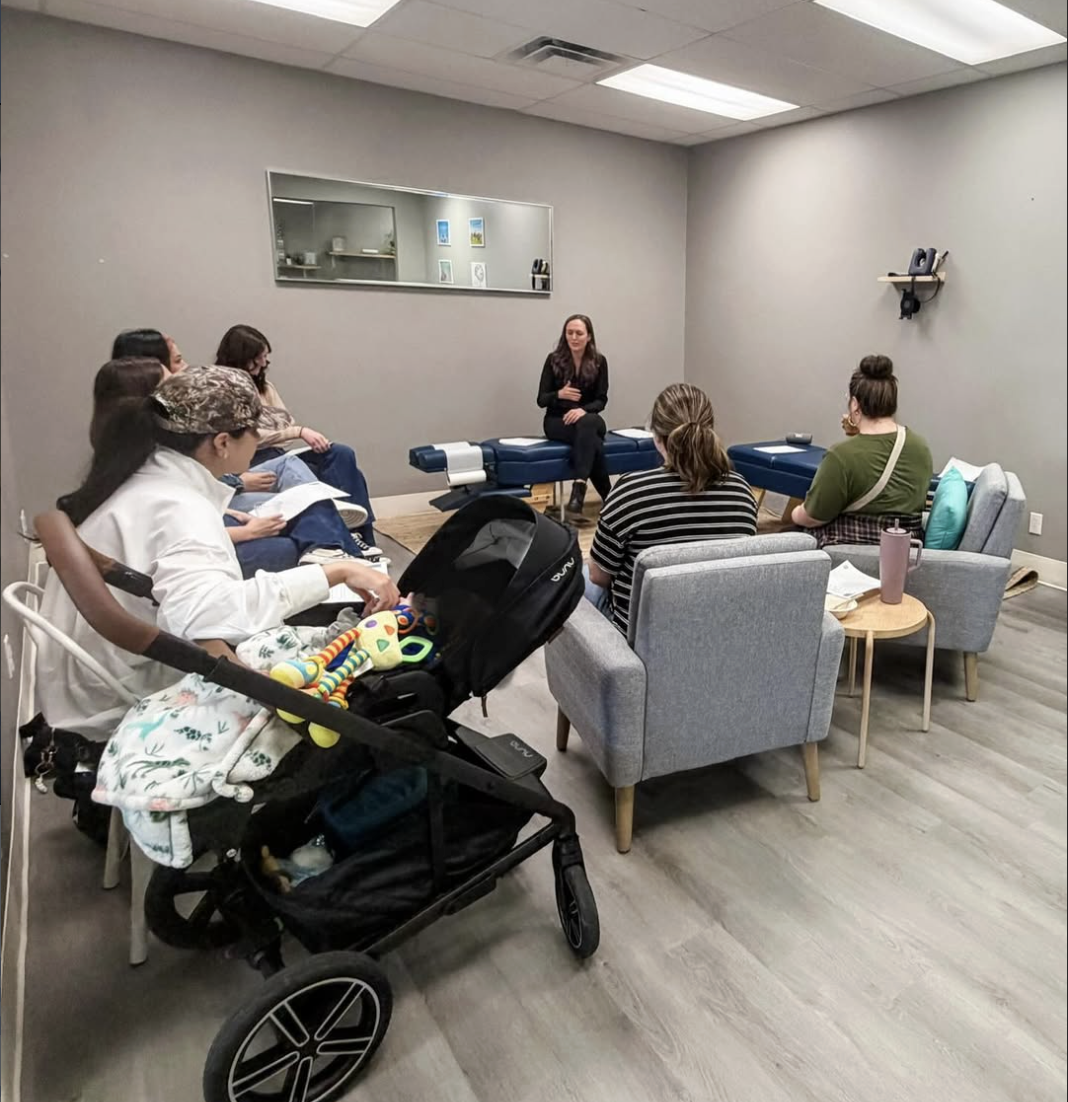
Courage is contagious.
Make it stand out
Whatever it is, the way you tell your story online can make all the difference.
When you’re around other thoughtful, intentional moms:
You feel less alone.
You normalize critical thinking.
You gain strength from shared experience.
This is exactly why we created Motherhood & Mentorship - because confidence grows faster in community.
5. Reframe Discomfort as Growth
If your hands shake while you speak up, that doesn’t mean you’re weak.
It means you’re expanding.
Every time you advocate for your child:
You are building neural pathways of confidence.
You are teaching your nervous system:
“I can do hard things.”
And your children are watching.
The Ripple Effect of Courage
When a mother grows in conviction:
Children learn self-advocacy.
Families strengthen their identity.
Healthcare conversations become collaborative instead of passive.
Communities become more empowered.
Courage isn’t just personal.
It’s generational.
You Don’t Need to Be Fearless
You just need to be willing.
Willing to ask.
Willing to pause.
Willing to question.
Willing to stand firm.
Courage doesn’t eliminate fear. It moves forward anyway.
And like any muscle, the more you use it, the stronger it becomes.
If you’re a mom in Keller, Colleyville, Southlake, or the surrounding areas, navigating healthcare decisions doesn’t have to be done alone. Our team supports families seeking natural, neurologically-focused pediatric chiropractic care in a collaborative and empowering environment.
If you’re looking for a community where you can safely practice this muscle, we’d love to have you at our next Motherhood & Mentorship gathering at Pediatric Chiropractic Center.
Because motherhood was never meant to be done alone.
And courage grows faster together.
Katelyn McCormack, RN, BSN, PHN
Motherhood Was Never Meant to Be Done Alone
Modern motherhood can feel isolating and overwhelming. This reflection explores why community is a biological need for moms, how stress is shared, and why no mother was meant to do this alone.
Modern motherhood can feel incredibly isolating.
Many moms today are raising babies without the built-in village that once existed. No nearby grandparents. Fewer neighbors they truly know. Partners working long hours. Friends in different life stages. Add social media comparison on top of that, and it’s no wonder so many moms feel overwhelmed, unsure, and quietly exhausted.
This lack of community doesn’t just affect moms emotionally; it impacts their nervous systems. And because babies are deeply connected to their caregivers, it can influence their babies, too.
Stress Doesn’t Stay Contained — It’s Shared
A mother’s nervous system sets the tone for her household.
When a mom is chronically stressed, overstimulated, or feels unsupported, her body often stays in a heightened state of “fight or flight.” This isn’t a personal failure, it’s biology. Humans are wired for connection, and when that’s missing, the nervous system feels it.
Babies are incredibly perceptive. Long before they understand words, they sense tone, tension, rhythm, and regulation. A stressed nervous system can show up as:
Difficulty settling or sleeping
Increased fussiness or tension
Challenges with feeding or digestion
Trouble self-regulating
This doesn’t mean moms need to be calm all the time. It means moms deserve support so their nervous systems aren’t carrying everything alone.
Community Is a Biological Need, Not a Luxury
For most of human history, mothers raised children alongside other women. There was shared wisdom, shared responsibility, and shared reassurance.
Community provides:
Co-regulation: being around calm, supportive people helps your nervous system settle
Perspective: realizing you’re not the only one experiencing challenges
Confidence: learning from others shortens the learning curve of motherhood
Belonging: knowing you’re seen, heard, and supported
When moms feel supported, their nervous systems regulate more easily. When a mom’s nervous system is regulated, her baby benefits.
It’s that simple and that powerful.
Like-Minded or Open-Minded Matters
Community doesn’t mean everyone parents the same way.
What matters is being surrounded by people who are:
Curious instead of judgmental
Supportive instead of dismissive
Willing to listen instead of correcting
Open to growth instead of comparison
Whether moms share similar values or are simply open-minded and respectful, those relationships create emotional safety — which is a key ingredient for nervous system health.
Why This Matters to Us at PCC
At Pediatric Chiropractic Center, we see every day how deeply connected moms and babies are.
We care for babies’ nervous systems, but we also care about the environment those nervous systems are developing in. That includes emotional support, stress levels, confidence, and connection.
That’s why we believe cultivating community is not “extra.” It’s foundational.
When moms feel supported:
They trust their instincts more
They stress less about doing everything “right”
They regulate more easily under pressure
Their babies benefit from that regulation
You’re Not Meant to Carry This Alone
If motherhood feels heavier than you expected, it doesn’t mean you’re doing it wrong. It likely means you’re doing it without enough support.
Seeking out community, whether through in-person gatherings, small groups, or intentional connections, is one of the most regulating, healing choices a mom can make for herself and her baby.
Motherhood is challenging enough. It was never meant to be isolating.
And you deserve a village.
Join us on the 3rd Saturday of the month for Motherhood and Mentorship.
Call the office to join our village.
Katelyn McCormack, RN, BSN, PHN