
Recognizing and Addressing Teen Burnout
As you know, being a parent is quite a journey filled with joy and challenges. Unfortunately, the stress, burnout, and exhaustion we experience as parents are not exclusive to us. In today's fast-paced world, our teens and young adults are also wrestling with mental, emotional, and physical health issues. The demands of school, sports, social media, and various relationships can take a toll on our teens, making it crucial for you parents to actively engage in supporting them.
If your teen is struggling in any way and you’re not sure how to help them, this is the blog for you.
As you know, being a parent is quite a journey filled with joy and challenges. Unfortunately, the stress, burnout, and exhaustion we experience as parents are not exclusive to us. In today's fast-paced world, our teens and young adults are also wrestling with mental, emotional, and physical health issues. The demands of school, sports, social media, and various relationships can take a toll on our teens, making it crucial for you parents to actively engage in supporting them.
If your teen is struggling in any way and you’re not sure how to help them, this is the blog for you.
Understanding the Perfect Storm
It's important to recognize that the challenges your teen may be facing is not solely a result of their current stressors. Recent research suggests that our modern environment and lifestyle create a "Perfect Storm," affecting neurological and physiological development from an early age. If your teen is struggling with health and neurological issues in their formative years, they may find it increasingly challenging to cope with stress as they enter adolescence.
Recognizing the Early Signs
Before burnout and exhaustion set in, your teen has experienced two distinct stages of stress and what we call subluxation: sympathetic fight or flight overload and Neurological Dysfunction. Identifying these stages early can help you to take proactive steps to support your teen.
The 5 Signs of Burnout + Exhaustion in Teens Today:
1. Sleep, Gut, and Immune Health Challenges:
Addressing basic physiological functions is crucial to prevent constant wear and exhaustion, ensuring a healthy brain and autonomic nervous system regulation.
2. Physical Pain, Posture, Headaches:
Recognizing signs of neurological exhaustion, such as poor posture and frequent injuries, can aid in early intervention.
3. Irritability, Agitation, and Big Mood Swings:
Acknowledging the impact of exhaustion on teens' emotional well-being is essential to understanding their struggles.
4. Mental and Emotional Dysregulation:
Identifying impulsive behaviors and difficulty concentrating as signs of neurological exhaustion allows for targeted support.
5. Poor Lifestyle Choices + Eating Habits:
Monitoring and guiding teens towards healthier choices can mitigate the impact of exhaustion on their overall well-being.
Taking Proactive Steps: How Parents Can Help Their Teens
Neurologically-Focused Chiropractic Adjustments are a specialized form of care that specifically targets the autonomic nervous system. These adjustments serve as a crucial initial step towards achieving better health by directly stimulating the nervous system. This approach recognizes the integral role the autonomic nervous system plays in regulating all bodily functions and seeks to optimize its functioning.
Prioritizing healthy sleep patterns is emphasized as a key component in promoting overall well-being for your child. The understanding here is that improved sleep can have a significant positive impact on their energy levels and contribute to better overall health. This highlights the importance of incorporating good sleep habits into your teen’s lifestyle as a fundamental aspect of maintaining and enhancing physical well-being. This is one of the biggest things we hear from our patients once they start care; their sleep greatly improves.
Understanding the connection between gut health and mental well-being and promoting a balanced diet is crucial. Chiropractic adjustments help to activate the vagus nerve, which is sometimes called the rest and digest nerve, because of the crucial role it plays in those functions. Recognizing the relationship between the digestive system and mental health, the approach could also encourage your teen to adopt dietary practices that support both gut and immune health.
Empowerment, engagement, and health education are highlighted as crucial strategies, particularly for your teen. Actively engaging with your teen, understanding their interests, and providing education on the link between physical health and mental well-being are identified as powerful initial steps. This approach seeks to empower teens with the knowledge and tools necessary to make informed decisions about their health, fostering a sense of responsibility.
Lastly, as Neurologically-Focused Pediatric Chiropractors, we love to connect and collaborate with other health professionals. We encourage it, and it can end up being a very well-rounded strategy for your teen.
Addressing the Root Cause
While medication may be necessary in some extreme cases, addressing the root cause of your teens’ challenges involves understanding the neurological imbalances and dysfunctions contributing to burnout and exhaustion.
As parents, our role is pivotal in supporting our teens' mental health. By recognizing the signs of burnout, taking meaningful actions, and collaborating with healthcare professionals, we can empower our teens to lead healthier, more balanced lives.
To dive deeper into supporting your teen's mental health through Neurologically-Focused Chiropractic Care, explore PX Docs' Clinical Process and cutting-edge technology like the INSiGHT Scans. These tools help detect and address neurological dysfunction at the core of teen burnout and exhaustion, ensuring a drug-free approach to their well-being.
Please do not hesitate to reach out to us today at the Pediatric Chiropractic Center to schedule a consultation. We want to strive towards a future where teens are not only healthier but also equipped with the knowledge and support needed to navigate their well-being with confidence. We are here to support you every step of the way! If you are not local to us, please check out the PX Docs directory to find a local office near you.
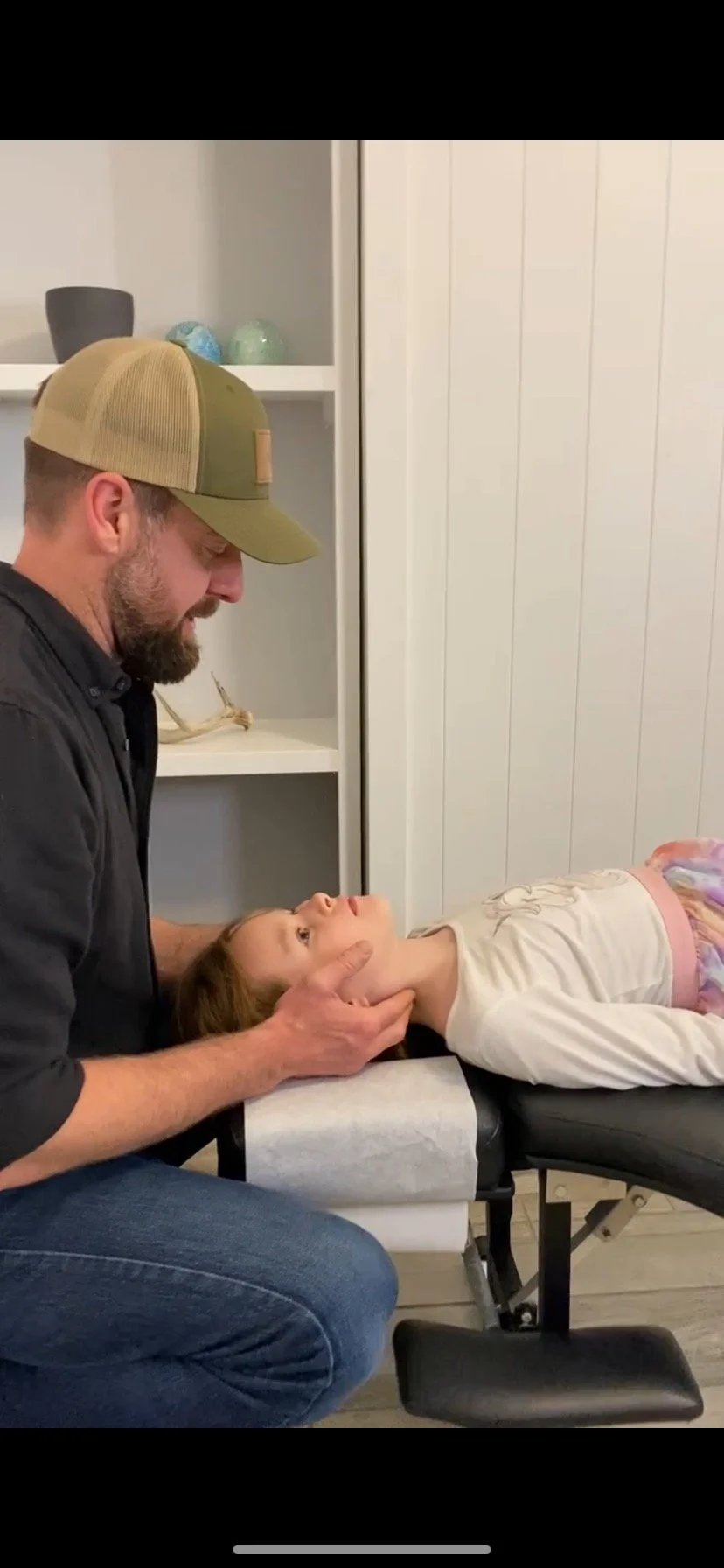
A Comprehensive Approach to Alleviating Fight or Flight Stress in Children
As parents and dedicated pediatric chiropractors at the Pediatric Chiropractic Center, we have witnessed the struggles that countless children face – battles against unresolved anxiety, poor sleep, low immunity, and inflammation, despite the tireless efforts of you parents striving to support your child’s health. This struggle leaks into their behavior, marked by frequent meltdowns and an inability to self-calm or regulate. These persistent challenges may be indicative of a constant activated stress response causing struggles for their delicate nervous systems.
As parents and dedicated pediatric chiropractors at the Pediatric Chiropractic Center, we have witnessed the struggles that countless children face – battles against unresolved anxiety, poor sleep, low immunity, and inflammation, despite the tireless efforts of you parents striving to support your child’s health. This struggle leaks into their behavior, marked by frequent meltdowns and an inability to self-calm or regulate. These persistent challenges may be indicative of a constant activated stress response causing struggles for their delicate nervous systems.
The alarming truth is that over 77% of today's youth suffer from chronic health conditions, with neurological and mental health disorders standing out as the most prevalent. The latest clinical research points to dysfunctional nervous system patterns that serve as the main drivers when it comes to these conditions.
Specifically, when your child becomes stuck in "fight or flight" mode, the cascade of stress hormones disrupts vital processes like digestion, immunity, and development. The restorative parasympathetic "rest and digest" activation becomes suppressed, spiraling into a relentless cycle known as the "Perfect Storm."
If your child is stuck in the "Perfect Storm" of symptoms, leaving you feeling helpless in your pursuit of solutions - rest assured this is a scenario that resonates with so many parents, and it's crucial for you to recognize that you are not alone. Understanding that these challenges are linked to the nervous system is pivotal in navigating the journey toward better health for your child.
How Kids Get Stuck in a Fight or Flight Stress Response:
Your child’s nervous system, like a switch, goes between active and relaxed modes. When there's a short-term danger, it goes into "fight or flight" mode. But problems happen when the stress reaction stays for too long.
The Vagus Nerve's Function
At the heart of nervous system regulation is the vagus nerve, controlling the activation of the body's "rest, digest, and regulate" parasympathetic nervous system. This critical nerve regulates digestion, breathing, heart rate, and inflammation and is more tied to restoration. We also know that the vagus nerve is essential to social and emotional regulation, speech, and so much more.
Impaired vagal tone traps your child in fight or flight, leading to a condition called dysautonomia. Dysautonomia (or out-of-balance autonomic nervous system) can then lead to a host of other chronic health challenges in kids.
What Getting Stuck in Fight or Flight Looks Like in Kids
Here are signs that your child may be stuck in fight or flight mode:
Heightened baseline anxiety, worry, and panic responses
Frequent emotional meltdowns and outbursts
Disrupted sleep and nightmares
Loss of appetite or overeating
Increased food sensitivities and allergies
New onset headaches or body aches
Overreaction to minor frustrations
Poor focus and concentration troubles
Frequent illnesses and decreased immunity
Persistent fatigue or hyperactivity
When your child’s nervous system gets overloaded and stuck, churning out stress chemicals, it turns into a range of symptoms that can disrupt health and development. Leading to:
Anxiety and Mood Changes
Cognitive and Behavioral Challenges
Physical Hurdles (including): Headaches, body tension, abdominal pain, low energy, and immune weakness
Growth and Development Delays
How to Get Our Kids Out of Fight or Flight Long Term
Parents, you hold immense power in nurturing your child's well-being at home. It’s always a great idea to engage daily in breathing exercises, helping with the relaxation response. You can try gentle movements like yoga to process cortisol. Ensure optimal nutrition to replenish drained reserves, and consider natural supplements for gentle inflammation modulation. Prioritize restorative sleep for holistic health.
However, time and again, we meet parents who have tried everything under the sun to help their child learn to calm, regulate, and balance their emotions and nervous system, but to no avail.
In cases where the nervous system seems stuck in fight or flight, the crucial first step is Neurologically-Focused Chiropractic Care.
These adjustments target vagus nerve stimulation and release pent-up stress within the sympathetic nervous system, proving way more impactful than traditional methods.
As adjustments start to help restore better sleep patterns and enhance neurological health for your child, you can then introduce breathing exercises, calming activities, and nutritional programs.
So, if your child is expressing symptoms tied to a stuck-on, fight-or-flight nervous system, and you’ve exhausted every avenue without success, consider addressing nervous system dysregulation and subluxation as the missing link.
Please reach out to the Pediatric Chiropractic Center today. If you are not local to us, check out our PX Docs directory to find a local office near you. We want to help empower you to guide your child toward a healthier, more balanced life.
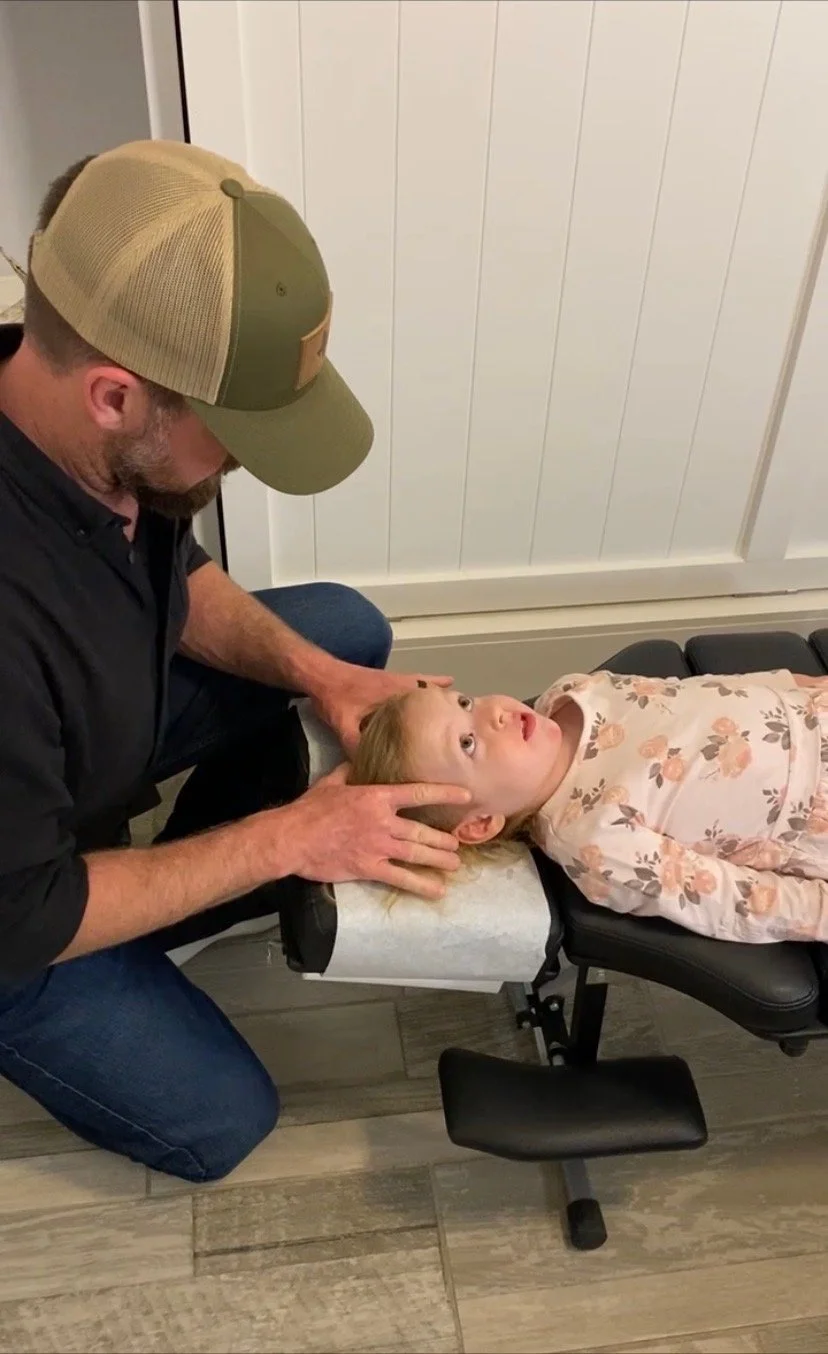
Unlocking Torticollis: INSiGHT Scans and Chiropractic Care
As a parent, when you’re told your baby has something called torticollis, it can often leave you feeling helpless and unsure where to turn. As pediatric chiropractors specializing in infant care, we empathize with the challenges and uncertainties that come with a torticollis diagnosis. In this blog, we aim to empower parents with the knowledge and understanding they need to navigate this journey successfully.
As a parent, when you’re told your baby has something called torticollis, it can often leave you feeling helpless and unsure where to turn. As pediatric chiropractors specializing in infant care, we empathize with the challenges and uncertainties that come with a torticollis diagnosis. In this blog, we aim to empower parents with the knowledge and understanding they need to navigate this journey successfully.
Nathan’s Story
Let's dive deep into the journey of Nathan, a resilient little guy whose early life was marked by the impact of torticollis. Traditional treatments fell short, leaving his mom, like many others, desperate for a solution. It was during a late-night research session that Nathan's mom discovered the transformative effects of chiropractic care specifically designed for pediatric cases.
The Rise of Torticollis and Birth Trauma
In recent years, there has been a significant rise in birth interventions, leading to an alarming increase in torticollis cases. Unfortunately, traditional medical approaches often lag behind in understanding the root causes and effective treatments. Birth trauma, a major contributor to torticollis, results from interventions like forceps delivery, vacuum extraction, and C-sections, subjecting the baby's delicate neck and head to undue strain. Try not to let your child's challenges go unnoticed.
Unresolved torticollis in your child can also increase their risk of ear infections. Tight muscles in the upper neck region affect the Eustachian tube, leading to fluid buildup and bacterial growth. This connection extends to respiratory issues, including croup, chronic cough, and RSV, as torticollis limits your baby’s body’s ability to drain fluid and move secretions.
Prioritizing your child’s torticollis care now is essential for a healthier, happier future.
Understanding Subluxation
At the heart of torticollis lies subluxation, a complex phenomenon with three primary components:
1. Misalignment and abnormal positioning: Subluxation found within the neurospinal system.
2. Fixation and reduced range of motion: Restriction in movement in the affected region.
3. Neurological interference: Imbalance caused by altered proprioception and increased nociception, impacting communication to the brain.
In simpler terms, the more severe the torticollis, the more pronounced these subluxation patterns become, which can affect your child's development, temperament, and overall well-being.
Why Pediatricians Might Miss Mild to Moderate Cases:
Pediatricians, while experienced at performing physical exams, may not possess the specialized training and experience required to detect subtle neuromuscular challenges such as torticollis.
Even when diagnosed, the traditional path of referral to physical therapy and helmets often falls short, with reported discomfort and limited effectiveness in many cases. They can even aggravate the condition because it would leave your child in a sustained state of fight or flight tension, something known as dysautonomia. Put simply, these methods do not get all the way to the root cause.
The Neurologically-Focused Pediatric Chiropractic Approach
Parents are increasingly turning to Neurologically-Focused Pediatric Chiropractic for a more natural and effective approach - that gets right down to the root cause. Our three-step methodology involves:
1. Locating subluxations: Utilizing advanced tools like INSiGHT Scans for a detailed examination.
2. Safe neuro-tonal adjustments: Gently addressing tension/stress and correcting subluxations.
3. Monitoring and collaboration: Encouraging parents to remain vigilant during growth spurts, teething, illnesses, and other stressors.
In fact, if you put Pediatric Chiropractic as the foundation and first choice for your child’s torticollis, it then makes all the physical therapy stretches and positioning work easier and far more effective. As PX Docs, we love to work in conjunction with your child’s therapy team for maximum results!
The Role of INSiGHT Scans:
INSiGHT Scans offer a deeper understanding of the neuromuscular system, allowing us to identify stress and dysfunction within your child’s nervous system that may be overlooked by traditional methods. This sophisticated technology aids in crafting precise and tailored care plans.
Results often become evident within a few visits, but each child's journey is unique. Join us for a personalized care plan discussion during the Report of Findings visit to understand the duration and specifics of your child's care plan.
One month into Nathan’s care plan, his digestive issues and eczema cleared up. In month two, his mom saw a huge difference. His mobility improved drastically, he started hitting milestones, and said goodbye to ear infections!
If your mom or dad's “gut” is telling you there is more going on than your pediatrician or therapist can fully explain and address, then Neurologically-Focused Chiropractic Care is perfect for you. We specialize in diving deeper and doing a more thorough assessment than anyone else out there, making sure we get to the true root cause of your child’s torticollis.
Don’t hesitate to reach out today to the Pediatric Chiropractic Center to schedule your initial consultation for INSiGHT Scans. As you navigate the path to healing for your child, remember you are not alone. Our dedicated team is here to support you every step of the way. Together, let’s ensure your child experiences the joy of unhindered development and well-being as they grow. If you are not local to us, be sure to check out the PX Docs directory to find a local office near you!
Understanding and Addressing Speech Delay in Children
Like so many other developmental challenges in kids, witnessing your child struggle with speech delay can be such a heartbreaking and frustrating experience. It not only affects their communication skills but also leads to social and emotional challenges as they find it difficult to express their needs and emotions.
Whether your child has been diagnosed with a speech delay or you suspect one, this blog aims to shed light on the science behind speech delays. Additionally, if your child is receiving speech therapy services but is still struggling or has plateaued with their results, we’ll get into how often traditional therapy is fantastic but not able to fully address the root cause. We’ll break down the neurology behind speech delays in kids and provide actionable steps to address the root cause.
Like so many other developmental challenges in kids, witnessing your child struggle with speech delay can be such a heartbreaking and frustrating experience. It not only affects their communication skills but also leads to social and emotional challenges as they find it difficult to express their needs and emotions.
Whether your child has been diagnosed with a speech delay or you suspect one, this blog aims to shed light on the science behind speech delays. Additionally, if your child is receiving speech therapy services but is still struggling or has plateaued with their results, we’ll get into how often traditional therapy is fantastic but not able to fully address the root cause. We’ll break down the neurology behind speech delays in kids and provide actionable steps to address the root cause.
Understanding Speech Delay
As parents, your child’s first words are so eagerly anticipated. Few things can compare to first hearing your little one say “Mommy,” “Daddy,” and “I love you.” So as time goes on, and those milestones are missed, disappointment and confusion set in. This is a common scenario for parents dealing with speech delay.
Speech delay occurs when a child’s language and communication skills develop more slowly than expected, which is actually an indication of stress or interference within their brain and nervous system. Children with speech delay may have individual words but struggle to string them together and form clear sentences.
Traditional pediatricians often attribute speech delay to “bad luck” without providing a comprehensive explanation. Speech delays are most commonly an issue with the “physical” formation and execution of speech, especially once other neurological disorders or hearing challenges are ruled out.
The Role of Birth Interventions (Trauma) and Speech Delay
By far and away, the most common but massively overlooked correlation we see with speech delays in our practice is the connection between birth interventions and trauma. Birth interventions such as forceps, c-sections, vacuum extraction, and induction can contribute to speech delays, especially in severe cases like apraxia of speech. Chronic ear infections, torticollis, and plagiocephaly, often linked to birth interventions, play a crucial role in understanding the root cause.
These types of delivery methods put tremendous pressure and physical tension on the cranial nerves, brainstem, upper neck, and vagus nerve. This results in a neuromuscular dysfunction known as subluxation. Subluxation is a neurological dysfunction that creates interference or disrupted communication between the brain and body, specifically affecting the nerves and muscles that control speech perception, formation, and execution.
The Role of Pediatric Chiropractic Care in Speech Delay
At the Pediatric Chiropractic Center, our chiropractic approach doesn’t aim to treat or cure your child’s speech delay. Instead, our focus is on addressing the root cause - neuromuscular dysfunction and interference. We collaborate with you and other providers to create personalized care plans rather than recommending and doing the same thing for each child simply based on their delay or diagnosis. We know that each child is unique.
While witnessing your child struggle with speech delay can be disheartening, addressing the root cause with Neurologically-Focused Chiropractic Care can be so rewarding. To learn more and ensure your child gets back on track, schedule a consultation with our PX Doc at the Pediatric Chiropractic Center. If you are not local to us, be sure to check out the PX Docs directory to find an office near you. We are ready to help you unlock your child’s full potential by getting to the root cause of their speech delay.

5 Must-Haves for Choosing the Right Chiropractor
In this blog, we want to dive in and explain to you the five fundamental elements that set us apart from traditional chiropractic offices. This knowledge will not only equip you with the insights needed to make informed decisions regarding your child’s health but also position you as a guiding force for friends and family seeking similar care.
If you are a parent who is part of our community, whether on socials, the website or have physically been in our practice, you’ve undoubtedly witnessed the heartwarming sight of numerous children running through our office. However, what truly distinguishes us as a pediatric-focused chiropractic office extends far beyond the array of toys, snacks, and upbeat atmosphere we intentionally cultivate (even though we love it all!).
In this blog, we want to dive in and explain to you the five fundamental elements that set us apart from traditional chiropractic offices. This knowledge will not only equip you with the insights needed to make informed decisions regarding your child’s health but also position you as a guiding force for friends and family seeking similar care.
The 5 Must-Haves in a Pediatric Chiropractor
Advanced Pediatric Education + Training
We understand that education is just one part of being truly knowledgeable, especially when it comes to caring for your child. That's why we are wholeheartedly dedicated to going above and beyond by seeking additional and advanced training, an absolute must when it comes to handling pediatric cases.
Our team puts in a minimum of 80-100 hours in ongoing training, ensuring that we are always up-to-date with the latest advancements in pediatric chiropractic care. We believe that continuous involvement in advanced training is essential for delivering the best care to your little ones.
A skilled Pediatric Chiropractor that you want on your care team is someone who is constantly learning, improving their skills, and striving for better clinical outcomes. We not only meet these criteria but go the extra mile by investing in monthly training sessions. We are actively part of a network facilitated by PXDocs, which includes hundreds of pediatric chiropractors. This network provides us with the most advanced and specialized training in Pediatric and Family Care within our profession. We are committed to staying at the forefront of pediatric chiropractic advances for your child’s benefit.
High Level of Clinical Experience
At our practice, we also want to assure you that it’s not just about the number of years we’ve been around - it's about the quality of experience we bring to the table. Our Pediatric Chiropractors have gone through rigorous training and specialized programs, focusing on addressing the unique challenges your child and other children often face.
We believe that the proficiency of a Pediatric Chiropractor isn’t solely determined by age. Some of the most accomplished Pediatric and Family Chiropractic practitioners are relatively young. What sets us apart is our commitment to concentrated training and hands-on experiences in high-level pediatric programs and offices.
At our practice, pediatric care is a priority, dedicating a significant percentage of focus to children. This includes handling complex neurological cases such as Autism, ADHD, Anxiety, Seizures, Sensory Processing Disorder, and more. This deliberate focus allows us to excel in providing specialized care for your child.
Incorporates Advanced Neurological Examinations
Is your pediatric chiropractor using INSiGHT scanning technology, or are they relying solely on basic exams like posture and palpitation? What sets us apart is our utilization of cutting-edge INSiGHT scanning technology. Going beyond standard exams, we delve into the intricate functions of the central and autonomic nervous systems. The NueroThermal, EMG, and HRV scans included in this technology provide invaluable insights that contribute to a more comprehensive understanding of your child’s health. This approach provides a comprehensive baseline for creating personalized care plans and allows for continuous progress evaluation.
If you’ve experienced a lack of continued progress assessments with other chiropractors, it’s important to consider the incorporation of scanning technology. If your child’s adjustments seem repetitive and identical every time, it’s likely because your chiropractor is not utilizing scanning technology. Your child deserves the best, and we’re dedicated to providing the highest level of care through innovative and effective methods.
Utilizes a Multitude of Adjusting Techniques
We understand that every child is unique, and, as parents, you always want the best for your little ones. That’s why our team has dedicated time and expertise to master all available chiropractic techniques. Our focus is on choosing the right techniques tailored to the specific needs of your child rather than relying on personal preference.
While delving into the details of chiropractic methodology may seem complex, the core concept is simple – each case is unique. In pediatric chiropractic care, factors like birth trauma, exposure to toxins, illnesses, and emotional stress contribute to an individualized case history for every child. We carefully consider these diverse factors. Failing to do so and not customizing the adjusting technique and approach to each child's specific needs may hinder positive clinical outcomes.
Instead of sticking to personal preferences, our team follows a singular guiding principle – figuring out exactly what your child needs for the best possible care.
Recommends a Customized Care Plan
When we are caring for your child, how often and for how long we tailor their care plan is crucial. Our care plans are backed by science to ensure your child gets the right adjustments at the perfect times, promoting positive, lasting neurological changes.
Unlike some general family chiropractors who offer generic or sporadic care plans, these might not be effective in making neurological improvements in stressed and subluxated children. What really matters is a personalized approach - care plans that are driven by data and shaped by experience. That’s what your child needs for best results.
Closing Thoughts and Next Steps
If you're feeling unsure about what to do, know that we're here to support you. Our team consists of parents who get your worries, and they're ready to talk about how chiropractic care has made a positive difference for their families. We want to share our experiences and have open conversations with you.
Engage with Us: Post questions, leave comments, or send us a direct message. Your curiosity fuels our commitment to providing the information you need.
Share the Knowledge: Extend a helping hand to other parents by sharing this post within your social circles, family, and relevant online communities.
Take Action: Dive deeper by reading associated articles on our website, registering for workshops or events, or downloading our informative guides.
Don’t hesitate to reach out to Pediatric Chiropractic Center today! If you are not local to us, check out our PX Docs directory to find a trained and ready PX Doc near you. Remember, the well-being of your child rests in your capable hands, and we're here to help, empower, and support you along the way!
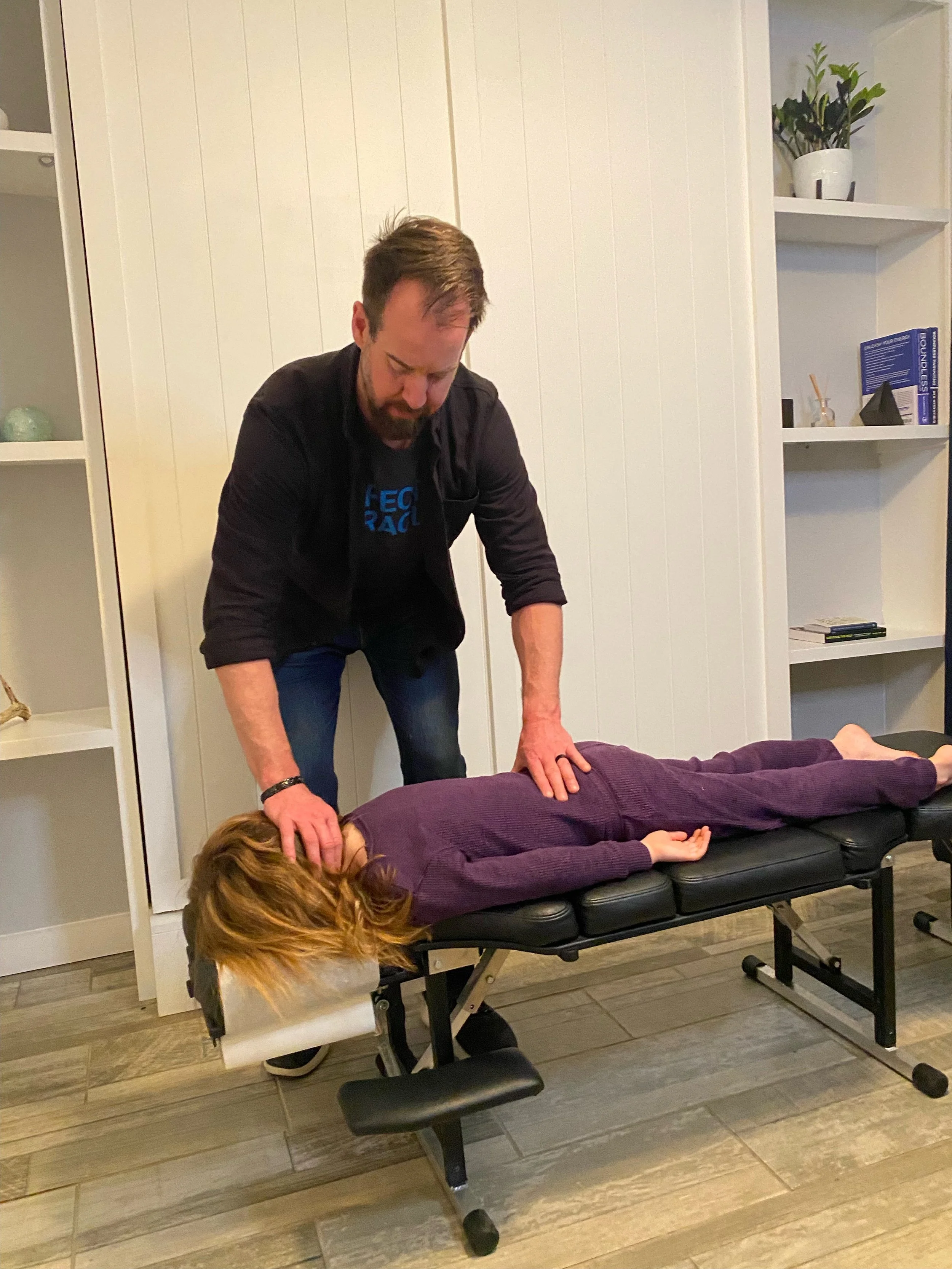
Subluxation, Stress, & Chronic Illness in Children: What Parents Should Know
In this blog, we will dive into the incredible power of addressing subluxation and stress on the nervous system, offering a game-changing health solution for you and your children. If you’ve tried everything it seems to get your family healthy, and it hasn’t clicked just yet, this is for you!
Have you ever wondered why so many children today seem to be facing chronic illnesses and struggling with their health? And why are so many parents grappling with stress and exhaustion themselves? What if we told you that a single, straightforward concept could be closely linked to almost every health challenge that families are confronting in today’s fast-paced world?
In this blog, we will dive into the incredible power of addressing subluxation and stress on the nervous system, offering a game-changing health solution for you and your children. If you’ve tried everything it seems to get your family healthy, and it hasn’t clicked just yet, this is for you!
The Rising Tide of Chronic Conditions in Children
One troubling trend in our current world is the surge in chronic health conditions among children. From allergies and asthma to autism, anxiety, and ADHD, these conditions are on the rise, largely due to the stressful and toxic environment in which we live. While modern medicine often attributes these issues to genetics and bad luck, research points to a “Perfect Storm” of factors and stressors affecting our children’s health from as early as pregnancy and early childhood.
The culmination of these factors results in an overburdened and unbalanced nervous system, triggering an overactive sympathetic fight or flight response. This state is known as subluxation, and it’s pivotal to comprehend how our children’s health can be negatively impacted.
Subluxation doesn't confine its impact to a single facet of health. It permeates the core elements of well-being, affecting sleep, gut health, immune function, and motor development. As the condition progresses, it sets deeper into the brain and nervous system, influencing cognitive and emotional health, behavior, focus, concentration, speech, and more.
Identifying Subluxation in Kids and Families
Subluxation can manifest differently in children of various age groups:
Infants: struggles with latching, sleeping, soothing, eating and digestion.
Toddlers: chronic ear infections, respiratory challenges, constipation, gross motor delays, sensory issues, meltdowns, tantrums, speech delays, and more.
Grade School: challenges with focus, concentration, behavior, emotional regulation, anxiety, chronic gut issues, and more.
Teens and Adults: chronic fatigue, anxiety, brain fog, exhaustion, and depression.
At Pediatric Chiropractic Center, we leverage an extraordinary piece of technology called INSiGHT Scans that’s transforming healthcare. This groundbreaking technology empowers us to detect and measure subluxation, sympathetic dominance, and neurological imbalances throughout your entire family. Our scans are safe for infants as young as a few days old, and within minutes, you can finally uncover the true root cause of your family’s health challenges. Take that vital first step towards a healthier, happier family by addressing subluxation.
If you are ready to schedule a consultation at the Pediatric Chiropractic Center, please give us a call or send us a direct message today! If you are not local to us, check out the PX Docs directory to find an office local to you.
In a world where children’s health is increasingly challenged, this is the knowledge parents deserve to have. Please share this message with fellow parents who may be on a similar journey. Together, we can empower families to take control of their children’s health and well-being, forging a brighter future for the generations to come.
Addressing Motor Tics in Children
If you’re a parent who is deeply concerned about your child who is grappling with the challenges of uncontrollable motor tics, rest assured, you’re not alone. Watching your child struggle with these involuntary movements can be an emotionally draining and perplexing experience.
However, knowledge is power, and understanding the root causes of motor tics can be the first step towards empowering yourself as a parent to take proactive, drug-free measures that can make a profound difference in your child’s overall well-being.
If you’re a parent who is deeply concerned about your child who is grappling with the challenges of uncontrollable motor tics, rest assured, you’re not alone. Watching your child struggle with these involuntary movements can be an emotionally draining and perplexing experience. However, knowledge is power, and understanding the root causes of motor tics can be the first step towards empowering yourself as a parent to take proactive, drug-free measures that can make a profound difference in your child’s overall well-being.
Understanding Motor Tics
Motor tics, at their core, are involuntary movements that arise from built-up neurological tension. They are a common feature of a neurological condition called Tourette syndrome, although they can occur in other disorders like chronic motor tic disorder and transient tic disorder. These movements can take various forms., from subtle facial twitches and shoulder shrugs to more complex actions that might include neck bending, mouth opening, clenching, and even vocal tics accompanied by sounds, grunting, and more.
Recognizing symptoms of motor tics is important. They can manifest in a wide range of ways, from seemingly inconspicuous eye blinks to more pronounced and complex movements. These movements, at times, can become noticeable to the extent that they affect your child’s daily life.
The Root Causes of Motor Tics
A key piece of the puzzle is understanding the root causes of your child’s motor tics. Subluxation, a term referring to misalignment, tension, and dysfunction within the neuromuscular system, is often a significant contributor to the development of motor tics.
Imagine your child’s nervous system as a complex network of communication pathways, like a web of electrical wires. When subluxation occurs, it’s akin to a kink in one of those wires, which disrupts the flow of communication within the nervous system. This disruption can result in heightened stress and tension within the nervous system. The accumulation of this stress and tension can, in turn, manifest in your child as motor tics. Similar to a pressure cooker, where the internal tension builds up and eventually finds an outlet through involuntary muscle movements.
Understanding the connection between subluxation and motor tics can be pivotal because it can shed light on potential solutions. By addressing and alleviating subluxation, you can help relieve underlying stress and tension on the nervous system, which is often the core of motor tic development.
What Makes Motor Tics Worsen?
Motor tics tend to exacerbate when external stressors come into play. Factors like growth spurts, seasonal changes, immune challenges, or emotional distress in your child’s life can intensify motor tics. These events can act as triggers, amplifying the underlying stress and tension (subluxation) in the nervous system.
The Connection with Other Conditions
Motor tics frequently co-occur with other conditions such as ADHD, Autism, and anxiety. Interestingly, all these conditions share a common thread - they are rooted in excessive stress and tension in the nervous system. The correlation highlights the importance of addressing the core issues.
Conventional medical treatment options for motor tics often involve prescription medications like Clonidine and Guanfacine. Unfortunately, these medications can bring a host of side effects with them, including sleepiness, fatigue, mood changes, headaches, and gut issues, leaving many parents searching for alternative solutions.
If you are a parent who seeks natural solutions and wants to explore options beyond medications, consider delving deeper into the role of subluxation and neurological tension in motor tics. Neurologically-Focused Chiropractic may hold the answers you’ve been searching for. It empowers you with drug-free action steps to help your child regain control over their health and well-being.
To learn more about subluxation, neurological tension, and how Neurologically-Focused Chiropractic may be the natural solution you’ve been looking for, reach out to us at Pediatric Chiropractic Center today. It is a vital step in your journey towards helping your child overcome the challenges of motor tics and nurturing their overall health and happiness. If you are not local to us, check out the PX Docs directory to find an office near you!
Optimize Your Family’s Health with Chiropractic Sympathetic Nervous System Care
In this blog, we’ll be diving into the fascinating world of the Sympathetic Nervous System (SNS), which activates the body’s “fight or flight” stress response and controls things like our adrenal glands, cortisol levels, inflammation, and so much more. If you feel like you or your child has a “gas pedal” and stress response that you can’t get turned off, this information is for you!
Have you ever wondered why a colicky infant can’t calm down and be soothed? Why it is so hard to redirect a wound-up toddler or young child in the middle of a meltdown? Or why a child with Autism, ADHD, and anxiety struggles for so long to calm and regulate in certain situations? Or how about you, mom and dad - do you ever feel like your heart is constantly racing, your stress levels are maxed out 24/7, and you can’t fall asleep?
In this blog, we’ll be diving into the fascinating world of the Sympathetic Nervous System (SNS), which activates the body’s “fight or flight” stress response and controls things like our adrenal glands, cortisol levels, inflammation, and so much more. If you feel like you or your child has a “gas pedal” and stress response that you can’t get turned off, this information is for you!
Flight or Flight - The Body’s Protective Response:
The Sympathetic Nervous System is a crucial part of our body’s defense mechanism, commonly known as the “fight or flight” response. It’s a natural, adaptive reaction that’s essential for our short-term survival and daily life. Imagine it as a biological alarm system designed to be activated when we face a potential threat or danger. When the threat is imminent, it prepares us to respond swiftly. However, what’s equally important is that it’s also meant to be turned “off” once the stressor or threat has passed.
The ability to switch gears between readiness and relaxation is a critical component of our bodies. It ensures that we don’t remain in a heightened state of alertness indefinitely, preventing unnecessary stress and strain on our nervous system. However, when this balance is disrupted, especially in the context of our children, it can lead to a range of challenges.
The Sympathetic Nervous System and Kids
Our children are supposed to spend the majority of their time in parasympathetic “growth and development” mode, not in a constant state of “fight or flight.” In this state, their bodies are free to grow, learn, and thrive. The parasympathetic mode is the ideal setting for healthy development.
However, when the Sympathetic Nervous System becomes persistently “stuck on,” it can have detrimental effects on children. This continuous activation of the fight or flight response often manifests first as colic, making it difficult for infants to settle and sleep. As children grow, the signs of a “stuck on SNS” become more evident, including constipation, frequent tantrums and meltdowns, behavioral issues, sensory challenges, and more.
Sympathetics “Stuck On” - Developmental Delays and Other Neurological Challenges
One of the most significant factors contributing to developmental delays and neurological disorders in children is the continuous activation of their sympathetic nervous system. This persistent stuck-on-the-gas pedal state can be likened to having a car with a jammed accelerator - it’s constantly revving in overdrive.
The results of this overactivity can be profound, exacerbating conditions like Autism, ADHD, Sensory Processing Disorder (SPD), and anxiety. When children’s nervous systems are unable to switch back to the calm and restorative parasympathetic mode, it places an extraordinary burden on their physical, emotional, and cognitive development.
In the world of Neurologically-Focused Chiropractic Care, we use the term subluxation to describe a situation where the body’s stress response gets stuck in the “on” position. It’s as if the alarm is ringing continuously, and the body remains in a perpetual state of readiness.
Dysautonomia, then, refers to the imbalance within the autonomic and central nervous system. It’s a condition where the body struggles to maintain equilibrium, often with an excessive sympathetic overdrive. This can lead to a wide range of physical and emotional health challenges, particularly in children who are still developing.
The connection between these factors is significant, and understanding them is crucial for addressing the root causes of various health challenges in children.
How to Find and Measure a Stuck On Sympathetic Nervous System
To identify and quantify the extent of a dysregulated nervous system, we utilize cutting-edge technology known as INSiGHT Scans. These scans not only pinpoint the presence of sympathetic overactivity but also provide a precise location of major subluxations that may be contributing to the issue.
By understanding the exact areas affected, a Neurologically-Focused Chiropractor can tailor a custom care plan to help the body regain its natural balance. This personalized approach is a game-changer for children and their families who have struggled with the consequences of a continuously activated Sympathetic Nervous System.
To learn more about the Sympathetic Nervous System and its impact on your child’s health, check out the full article on the PX Docs website. If you’d like to get yourself or your child scanned to determine if a stuck sympathetic nervous system is contributing to your current health challenges, reach out to us at Pediatric Chiropractic Center today. If you are not local to us, check out the PX Docs directory to find an office near you.
Don’t let your child’s health be compromised by a persistently activated stress response; there is hope, and we’re here to help you find it. Let’s bring balance back to your family together!

Overcoming Chronic Ear Infections with Pediatric Chiropractic Care
Are you a parent who's been through the heart-wrenching experience of watching your child suffer from chronic ear infections? If so, you know the sleepless nights, the tears, and the feeling of helplessness that comes with it. The constant congestion, pain, and the cycle of antibiotics can leave you feeling overwhelmed and anxious. By age 3, it's estimated that 80-90% of kids will experience at least one ear infection. But what about the 1 out of 10 kids who don't get ear infections? How can you break the cycle of chronic ear infections or prevent them altogether?
In this blog, we’re here to support and empower parents like you, assuring you that you have the power to make the best choices for your child’s health.
The Story of Luca
Let’s start with a real-life example. Meet Luca, a young boy who faced repeated ear infections. Luca’s journey included multiple rounds of antibiotics, doctor visits, and even the suggestion of surgery. However, Luca’s mom was determined to explore alternative options, and that decision changed everything. Luca’s story may resonate with you if you are facing a similar situation. His story will show you there is hope beyond the conventional approach.
Understanding Chronic Ear Infections
Chronic ear infections, also known as chronic otitis media, occur when there is a recurring buildup of fluids, inflammation, and swelling that block the eustachian tube, leading to pressure and pain in the middle ear. But what causes your child’s recurrent infections?
Root Causes of Ear Infections:
Poor “plumbing and drainage”: Misalignment in the body can create extra tension, inflammation, and limited movement of the nerves and muscles supplying the inner ear, leading to fluid buildup.
Sympathetic fight or flight response: Subluxation can put the body into an excessive sympathetic state, resulting in high inflammation and increased mucus production.
Environmental factors: Toxins, excessive sugar, and dairy consumption can worsen the situation.
Antibiotics and fever reducers may provide temporary relief but do not address the root cause. They can weaken your child’s gut and immune system, contributing to their recurring infections. Similarly, natural remedies like supplements and essential oils may help to some extent but often fall short in addressing subluxation.
How Neurologically-Focused Chiropractic Adjustments Work
Chiropractic care offers your child a unique solution. It focuses on two key aspects:
Improved “drainage” and “plumbing”: Chiropractic adjustments help restore movement and clear blockages, providing immediate relief. This process not only alleviates the symptoms but also supports the body’s ability to heal itself.
Balancing the nervous system: Adjustments reduce inflammation, stress, and tension, ultimately supporting the body’s natural healing abilities. A balanced nervous system enhances overall health and well-being.
At Pediatric Chiropractic Center, we begin the process of overcoming chronic ear infections with Neurological INSiGHT Scans. These scans measure stress, tension, inflammation, and subluxation in the upper neck - a common area of concern for children with ear infections. Birth interventions like forceps, vacuum, and c-sections can create physical tension from the start, leading to your child’s ear troubles.
Remember, as parents, you have the power to make informed decisions for your child’s health. Chronic ear infections may seem daunting, but with the right approach, you can break the cycle and provide your child with lasting relief and a healthier future. Our goal is to empower you with the knowledge and tools to make informed decisions and activate your child’s natural healing abilities. If you are not local to us, please check out the PX Docs directory to find a PX Doc near you. Don’t wait, take action today!
Healing Begins at Night
Parents, no matter what health challenges your child may face, whether it’s acute conditions like the common cold or chronic neurological conditions like anxiety, ADHD, or seizures - there is one crucial first step you must take: prioritize sleep. 😴
Parents, no matter what health challenges your child may face, whether it’s acute conditions like the common cold or chronic neurological conditions like anxiety, ADHD, or seizures - there is one crucial first step you must take: prioritize sleep.
Sleep is the foundation upon which all healing begins.
In this blog, we will explore why sleep is so vital and how it can help your child overcome health challenges. It is even more necessary for a child looking to heal and overcome a health challenge or condition of any sort to get extra sleep during the initial healing and recovery stages. If you’ve exhausted various methods to help your child heal naturally and have observed that their condition worsens when they are tired or sleep-deprived, this is for you.
The Power of Sleep
Sleep isn’t just essential for adults; it plays a crucial role in your child’s health as well. Sleep disorders can affect up to 50% of children and pre-adults, leading to tiredness, disrupted family dynamics, cognitive and behavioral issues, and even long-term health concerns. Getting good sleep is the first and most vital step in neurological development and healing.
Sleep disorders can manifest as difficulty falling asleep, staying asleep, or both. Recognizing these symptoms is key to addressing the issue.
The Role Subluxation and Dysautonomia Play in Sleep Challenges
Several factors can contribute to sleep disorders in children, but one often-overlooked cause is subluxation and dysautonomia, which are related to neurological imbalances and dysfunctions. These imbalances can overstimulate your child’s sympathetic nervous system and suppress the parasympathetic response, disrupting their sleep patterns.
You may be unaware that birth interventions like forceps, vacuum extraction, induction, or emergency c-sections can damage the dysfunction of your child’s Vagus Nerve. This vital nerve, also known as the “rest, digest, and regulate” nerve, is located near the sleep centers in the brainstem and plays a crucial role in regulating sleep. Impaired Vagus Nerve function can significantly hinder your child’s ability to sleep well.
Environmental and External Factors
Besides addressing subluxation and Vagus Nerve dysfunction, creating an optimal sleep environment is essential as well. Factors such as room brightness, noise levels, temperature, and pre-bed activities matter. Additionally, external factors like caffeine intake, irregular bedtimes, overstimulation before bedtime, and respiratory problems can exacerbate sleep challenges.
In our modern world, the increase of screens and electronic devices has introduced new challenges to children’s sleep. The blue light emitted by screens can interfere with the production of melatonin, a hormone crucial for sleep. Encouraging a digital detox can significantly improve sleep quality.
To help your child get the most out of their sleep, it’s helpful to understand sleep cycles. Your child cycles through various stages of sleep, including deep sleep and REM sleep. Ensuring they get enough uninterrupted sleep cycles is vital for their overall well-being.
How to Help Your Child Get Sufficient Sleep
So if you’ve tried numerous remedies, from supplements to essential oils, and your child still struggles to sleep, it’s time to consider Neurologically-Focused Chiropractic care. These adjustments can be a game-changer for your child’s sleep and overall well-being. At Pediatric Chiropractic Center, we specialize in providing these beneficial adjustments to calm your child’s nervous system.
Visit our website www.pediatricchirocenter.com for more information, or if you’re ready to help your child sleep better and regain their health, reach out to us today. Give us a call or send us a DM, we’d love to help!. Your child’s journey to improved health starts with a good night’s sleep. Prioritize their sleep and watch them thrive.

What Is Subluxation?
While traditional medicine relies primarily on symptoms and looks for obvious pathology on standard exams like blood work, MRIs, and EEGs.
TABLE OF CONTENTS
WHY ARE SO MANY KIDS SO SICK TODAY?
It’s been a long time since I remember a child presenting to our clinic with just one singular health challenge or condition. Nearly every child over age 3 has intake paperwork with check boxes next to gut and digestive issues, respiratory and immune challenges, and neurological conditions such as sensory integration disorder, ADHD, and anxiety.
It’s absolutely heartbreaking seeing so many kids with multiple chronic health conditions at such a young age.
If you know what you’re looking for, in just a matter of minutes, you can see an absolute “perfect storm” pattern emerge, with each and every condition linked to the one thing we’ll discuss in this article – subluxation.
This article will explain exactly what subluxation is, where it comes from, and how the stress and dysfunction it causes within the nervous system correlates with a multitude of health challenges in kids and families.
But first, let’s quickly run through how that ‘perfect storm’ plays out for so many kids who end up with subluxation and neurological dysfunction early on.
Time and time again, we find subluxation present in the colicky infant who struggles with latching, nursing, digestive issues, and sleep. Then if that stress and subluxation remain on the nervous system, soon that infant starts to suffer from chronic ear infections, constipation, food intolerances, and allergies.
Even then, it doesn’t stop. It continues on to the child struggling with sensory processing disorder, speech delays, developmental delays, gut issues, sleep disturbances, and chronic immune challenges.
And finally, our poor teenagers. Anxiety, ADHD, OCD, depression, and emotional dysregulation run rampant in teens and young adults today.
The numbers were unacceptable before everything happened with Covid, with rates of anxiety and depressive symptoms at 11.6% and 12.9%, respectively. Now they are estimated to have doubled to 25.2% and 20.5%.
For 15 years, we’ve referred to that cascade of stress and illness as The Perfect Storm. And the Perfect Storm is the story of one primary thing – subluxation.
WHAT EXACTLY IS A SUBLUXATION?
We like to teach our patients that subluxation has three (3) main components:
Misalignment
Fixation & Tension
Neurological Interference & Imbalance
While the first two components comprise the biomechanical elements of subluxation within the NeuroSpinal System, the third component causes all the trouble.
Breaking down that third element even further, we see that the neurological interference comes from the effect that the fixation and decreased range of motion has on the central nervous system. You may have heard the phrase “motion is life” before, and it’s absolutely true.
The #1 thing that keeps the brain and nervous system active, engaged, and functioning at a high level is stimulation from movement and physical activity. The term for this is proprioception, which is the perception or awareness of the position and movement of the body.
The spine has by far the highest density of proprioceptors in the body. The upper neck has more than any other area, making it especially sensitive to any physical injury leading to misalignment and tension (subluxation). This is why we feel by far, the #1 most overlooked cause of subluxation and both acute and chronic health conditions in kids is physical birth trauma to the neck, brainstem, and spine during labor and delivery.
Putting it all together, when subluxation is present, there is decreased proprioceptive input into the brain and nervous system, which in turn allows increased nociception to get in. Nociception is noxious, stressful, and potentially harmful stimuli reaching the central nervous system, and it causes the nervous system to move into sympathetic fight-or-flight mode, known as dysautonomia.
It goes so far beyond just looking at spinal joints and partial dislocations. Those who understand the role of subluxation in health look deeper into the neurological disruptions and dysfunction and get to work restoring and improving those components with each and every chiropractic adjustment.
Subluxation is the most overlooked cause of various health issues that can be helped and cared for by a neurologically-focused chiropractor. One of the surest signs a patient’s condition is primarily linked to subluxation is when all medical tests and treatments come up empty. Despite seeing a long list of doctors and specialists, parents still do not have the answers and action steps they seek!
WHAT CAUSES SUBLUXATION?
So what causes subluxation, exactly? Put simply – stress and toxicity overload.
While stress is actually a normal, healthy part of life, helping us to gain resiliency, strength, and adaptability from infancy on… what the Perfect Storm teaches us is that we have far too much stress and toxicity in our current environments. And if a child is exposed to high amounts of stress and toxicity early in life before their nervous system has developed enough to handle it, then subluxation and dysautonomia set in, and the storm starts to brew.
What does that look like exactly for millions of children today?
Research has now clearly shown that pregnant mothers face more stress and anxiety than ever before. With all the added stress and tension on their nervous systems, it can lead to the baby winding up stuck in various abnormal positions in-utero, such as breech or forward-facing, which places added stress on their spine and nervous system.
From there, our labor and delivery system has turned into medical intervention nearly every single time, shoving health and natural birth to the side and significantly increasing the rates of both obvious and hidden birth trauma.
This study even found that 99 out of 100 healthy newborns had at least one “somatic dysfunction” pattern within the first 72 hours of life, which is the osteopathic term for subluxation. The vast majority of the dysfunction was found in the cranial area and cervical (neck) region, which makes sense given how much physical strain, tension, and pulling can be placed on those regions during the birth process, especially if interventions are involved.
Then from there, a stressed and subluxated infant deals with colic, reflux, constipation, and repeated ear infections. Then each use of an antibiotic in a child under the age of three dramatically increases their risk of chronic illness later on in life, and things like Miralax increase unwanted behaviors such as hyperactivity and aggression.
In chiropractic, we summarize and simplify things by teaching our patients about the 3T’s — Traumas, Toxins, and Thoughts.
We’re all going to face these 3Ts in life, but when our kids face so many of them so early on, it allows subluxation to set in. That subluxation creates significant, chronic imbalance and dysfunction within the nervous system, which then, in turn, causes dysfunction in motor tone and development as well as all other major systems — gut, immune, respiratory, mental, emotional, social, and so on.
All forms of excessive stress negatively affect the nervous system similarly, causing it to go into a pattern of tension and a fight-or-flight response.
WHAT ARE THE SIGNS OF SUBLUXATION?
Because subluxation negatively affects the central nervous system, which is responsible for every single bit of our physiology and function, subluxation can show up in myriad signs and symptoms.
Initially, subluxation creates excessive tension and a “wound up” response, which shows up early in a child’s life as colic, difficulty sleeping, and frequent tantrums and meltdowns. But then, over time, as things turn more long-lasting and chronic, subluxation can cause neurological fatigue and exhaustion.
In addition, these are some of the most common signs of subluxation:
Chronic Ear Infections and Immune Challenges
Constipation and Gut Issues
Gross and Fine Motor Challenges
Frequent Meltdowns and Tantrums
Focus & Concentration Challenges
Hyperactivity and Impulsivity
Emotional Regulation Challenges
Chronic Pain & Tension
Fatigue and Exhaustion
HOW DO YOU FIND AND TAKE CARE OF SUBLUXATION?
By far, the most important tool our Pediatric Experience trained chiropractors are trained to use is the INSiGHT Subluxation Scanning Technology. In just a 10-15 minute exam, these scans can find, measure, and locate dysautonomia and other elements of subluxation.
Doing so allows PX Docs to then create an exact, personalized, and customized adjusting care plan for that child and patient. The INSiGHT scans take all the guesswork out of it and bring the chiropractic exam and detection of subluxation into the modern era.
Other modes of finding subluxation include postural, physical, and other neurological exam components. But the PX Doc all starts with our technology pictured below.
Now fixing it is simple yet powerful and complex simultaneously. A trained pediatric and neurologically-focused chiropractor uses an adjusting system that is safe, gentle, and wildly effective at restoring function and balance to the nervous system.
The coolest thing about this kind of chiropractic is that a regular adjusting visit lasts just a few minutes, easily fitting into a family’s busy schedule and also being fun and enjoyable for the child! When whole families come in to get adjusted, the kids fight and compete for who can jump on the table first. They love it so much.
HOW CAN IT BE SO SIMPLE?
That is by far the top question parents repeatedly ask me after we explain to them what subluxation is and how it’s easily and scientifically linked to nearly all of their children’s health challenges.
Parents today are exhausted and frustrated because their regular pediatrician and medical specialists still can’t find what’s causing their child’s chronic health challenges.
When that’s the case, it’s almost always a story of subluxation.
It’s not that medical doctors are not doing all they can; they just don’t have the training and understanding of subluxation and neurology in the same way Pediatric Chiropractors do. So if you don’t even know where to look, you won’t find the answers that kids today need to heal.
The answers to restoring health to chronically sick kids and keeping healthy kids exactly that way… will not be found on standard height, weight, and growth charts in the pediatrician’s office. We’ve used those as our primary tools for measuring health and development in children for the past generation or two, and it’s left us with the sickest and most stressed-out generation of kids ever.
It’s time for a change with this generation and future generations of kids, and that starts with getting you connected to your local PX Doc right away!
GET STARTED TODAY!
There is help available for subluxation. The answers and help you seek mom and dad, are inside your local PX Doc’s office! Our doctors take the time to really listen, dive deep into your child’s case history to find the cause(s) of their health challenges, and then get right to work finding them via the INSiGHT Scanning Technology!
Head on over to our PX Docs Directory and find your local PX Doc today. We can’t wait to hear your child’s story of healing, thriving, and smiling!
About the Author
DR. TONY EBEL DC, CACCP, CCWP
Dr. Tony Ebel is the lead writer and educational guide for PX Docs. He is a Certified Pediatric + Wellness Chiropractor with 15 years of clinical experience. In addition, Dr. Tony has been teaching and training other Pediatric + Family Chiropractors for the past 10+ years, primarily teaching the clinical protocols he created for pediatric neurodevelopmental challenges such as Autism, ADHD, Sensory Processing Disorder, Epilepsy, Anxiety, and more. This clinical program is now taught in collaboration with the Life University Postgraduate Department and has over 500 graduates. Dr. Tony’s passion is educating, empowering, and informing parents about the nervous system's role in natural, drug-free healing for all pediatric conditions and cases.

Insight Scans
While traditional medicine relies primarily on symptoms and looks for obvious pathology on standard exams like blood work, MRIs, and EEGs.
TABLE OF CONTENTS
While traditional medicine relies primarily on symptoms and looks for obvious pathology on standard exams like blood work, MRIs, and EEGs, our network of trained Pediatric Experience Doctors use an incredible piece of technology called the INSiGHT Scans that accurately assesses the health and function of the Central Nervous System.
When we get into things like technology and neurology, many of us can get overwhelmed and confused quite quickly, but that’s the beauty and practicality of our INSiGHT Scanning Technology – it’s super simple and easy to understand.
This article will help you do just that!
WHAT IS THE CENTRAL NERVOUS SYSTEM?
The most critical system that determines whether your child (and your entire family) is healthy or not is the Central Nervous System, or just the ‘nervous system’ for short. It’s made up of three divisions, Sensory, Autonomic, and Motor, that work together to coordinate EVERY internal body function with EVERY movement and with EVERY thought, emotion, behavior, and cognitive function. It’s ‘Air Traffic Control’ for the entire human experience!
Dr. Bruce Lipton puts it this way:
“The function of the nervous system is to perceive the environment and coordinate the function of all other cells.”
That means that while you’ve probably invested quite a bit of time, energy, and resources into trying to get your child’s gut health, immune system, and motor tone (PT, OT, Speech Therapy, etc.) functioning the best you can – your current provider team may have overlooked the one common thread that ties them all together – the nervous system.
When you see the word ‘autonomic’ in this context, it simply means that everything runs on autopilot and happens automatically. You can best think of this in terms of the four (4) things we know healthy babies are supposed to be able to do – eat, sleep, poop, and move.
The autonomic nervous system controls and coordinates all four (4) key health-building functions in your child, and we can measure how well (or not) the nervous system is doing its job with our simple, safe, and reliable INSiGHT Scans!
Basically, the examination and assessment process of the 3 different healthcare approaches breaks down like this:
Traditional Medicine – chases symptoms and looks for obvious pathology, not function
Movement-Based Therapies (PT, OT, Speech) – assess muscular or ‘motor tone’ function through various movement assessments, strength tests, etc.
Pediatric Chiropractic – assesses and determines the function of the nervous system
HOW DOES IT WORK?
The nervous system is a two-way street.
One set of nerves is called ‘sensory’ nerves that send information and report to the brain and brainstem precisely what’s going on inside the body (internal environment) and outside the body (external environment).
The other set of nerves is more of what is termed ‘motor control’ nerves that send signals out from the brain and spinal cord and tell the various parts of the body what to do, when to do it, how to do it, etc.
Because neurological communication within the autonomic nervous system has to do this vitally important job for 37.2 million cells in the human body, things need to happen fast and have absolute clear lines of communication. We were designed to operate well past 5G long before it was invented, and we certainly can’t have our kids operating at dial-up speeds.
And because a child’s brain (nervous system) doubles in size during its first year of life and continues growing and developing at that rapid pace for the first 3-7 years of life… making sure this system is working at full function is simply the most important exam and assessment any pediatric provider could ever perform for your child.
So it’s not even close – an INSiGHT Scan that tells you exactly how your child’s brain and nervous system are functioning and communicating is far more valuable than knowing where they sit on the height and weight chart in your pediatrician’s office.
WHAT DO THE INSIGHT SCANS LOOK FOR?
The INSiGHT Scans are about finding, tracking, and understanding if subluxation and dysautonomia are present. And if they are, we need to know two things about them:
How significant or severe (mild, moderate, severe, or intensive)?
Where within the neurospinal system are things primarily located (tracking, targeting)?
When too much tension and stress is stuck in one specific area of the neurospinal system, it helps us better understand why certain symptoms and conditions may be present. Additionally, running the INSiGHT Scans as part of a wellness checkup and before any symptoms may be present helps us predict and get ahead of potential trouble later.
Think of the neurospinal system as the fuse box in your home. While our nervous system is quite a bit more intricate and complex than that, at its core, many of the sensory and motor nerves function similarly. In our office, we use the Neuro Fuse Chart below to help us better track and locate where and what kind of trouble the subluxation and dysautonomia may be causing!
WHAT IS SUBLUXATION +& DYSAUTONOMIA AGAIN?
While you can find more info on subluxation and dysautonomia by clicking on those hyperlinks (if reading this digitally), they cause the nervous system to suffer from three (3) major issues:
Stuck stress, tension, spasm, etc.
Lack of balance (more on this later) and coordination
Disorganization and dysfunction
Some of the signs and symptoms of your child’s nervous system is stressed out, tense, and stuck in sympathetic fight-or-flight mode are things like:
Colic and frequent crying in an infant
Excessive tantrums and meltdowns in a toddler or preschool-aged child
Motor and speech delays
Sensory processing and emotional regulation challenges
ADHD and anxiety type challenges later on in school-aged children and teens
What’s always been fascinating about using INSiGHT Scans in our Pediatric + Family Practice is that you can see the exact stuck subluxation (stress) patterns in infants as you do in older children and teenagers. While it’s called something different in each age group, the actual root cause behind the challenges is nearly the same – a stressed out, wound up, out-of-balance nervous system.
Sadly most pediatricians dismiss most neurodevelopmental and sensory challenges as “normal” and tell parents still today things like, “don’t worry, they’ll grow out of it.” Well, we now know that for most kids, those symptoms and conditions are obvious signs of trouble brewing in the nervous system, something PX Docs call The Perfect Storm.
Now that we understand why the INSiGHT Scans are so important and what they are looking for… let’s dive into each of the three (3) individual scans!
NEUROTHERMAL SCANS
This is the first scan each PX Doc office will run, and we can run this scan on everyone from a 1-day old infant to mom and dad in a matter of minutes.
The main thing the NeuroThermal Scans help us find is the regional effects of subluxation and dysautonomia. That means the Neuro Fuse Box Chart discussed and shown above is very helpful in interpreting this scan.
Since the core functions of the autonomic nervous system are to coordinate and regulate the function of the digestive system, immune system, hormones, and so forth… this scan helps us really understand what’s going on in our patients who are struggling with things such as colic, reflux, constipation, chronic ear infections, allergies, adrenal dysfunction, and sleep disorders.
The scan image below is a NeuroThermal Scan of a child struggling with virtually all those conditions of the neuro-gastric-immune complex and anxiety.
Your local PX Doc will explain each scan finding in more detail, but the three (3) things we don’t like to see in these scans are:
Green, blue, and red bars on the top half NCM graph– indicates that stuck, tension, and sympathetic dominance component of the subluxation.
Tons of ‘back and forth’ or ‘tug of war’ type tracking and tracking on the bottom summary graph – this indicates dysautonomia and tension throughout the neurospinal system.
The DTG bars along the sides of the summary graph (bottom half) are inside the black lines and blue – this indicates the subluxation and condition are becoming more chronic.
NEUROSPINAL EMG SCANS:
This particular scan is vital for us to help our Perfect Storm kids best. It serves as the most important form of testing we can do when conditions like Autism, Asperger’s, Sensory Integration Disorders, ADHD, and Anxiety are being investigated.
That’s because each of these neurodevelopmental and neurosensory challenges is rooted in stuck tension, altered tone, and exhaustion of the neuromotor system. Most every parent of a spectrum or sensory child is familiar with the word ‘tone’, having worked with outstanding professionals like Pediatric PTs, OTs, and Speech Therapists.
Neurological and tone challenges are a big deal, as motor function and development determine brain function and development. That means – if the EMG scan detects patterns of stuck tension and imbalance, the brain is almost certainly stuck in sympathetic (fight or flight) tone and also struggling with an imbalance between its core functions of regulating emotions, behavior, learning, and memory.
There are three (3) common findings with pediatric EMG scans, and we’ll briefly describe them here and then show examples of each type below:
Raging Bull – this is a child whose nervous system is stuck on the ‘gas pedal’ and entirely sympathetic dominant, leading to challenges with things such as hyperactivity, impulsivity, anxiety, difficulty sleeping, and so forth.
Drunken Bull – this scan finding most often correlates with a child struggling with coordination, focus, reading comprehension, communication, etc.
Raging Drunken Bull – as a child gets older, often they’ll end up with both scan patterns and signs and symptoms of each.
The most exciting thing about Pediatric Chiropractic is that we can see changes in a child’s EMG Scans quickly because their nervous system is still learning to grow and adapt at such a fast pace. Their brains and bodies are growing and developing rapidly; it’s quite incredible. But that also means that when subluxation gets into the neuromuscular system (as shown on EMG), it can wreak havoc and alter their development for years to come.
Diving a bit deeper into this particular scan, our INSiGHT EMG Scans also use a 3-step scoring system that allows us to really understand what’s going on with that child’s neuromotor system and, thus, overall brain and neurodevelopment.
Here are the 3 scores you’ll see on your child’s EMG Scan and a quick explanation of what they mean, and then we’ve provided some examples of EMG scans as well:
Total Energy Score – this score tends to go way up in a child who’s wound up and stuck in sympathetic mode, and therefore a high score here is most often seen with our ‘Raging Bull’ cases struggling with things like anxiety, behavior and sleep issues, and so forth
Pattern Score – this is a significant score to the overall neurological tone, and a low score here indicates a child who’s likely struggling with emotional dysregulation, focus and concentration challenges, postural exhaustion and a weak core, and so forth
Symmetry Score – this score measures the balance between the right and left sides of the neurospinal system, which is crucial to be then sure that there is balance in overall brain function and coordination
Raging Bull (High Total Energy) EMG Scan:
The #1 thing that signifies this child’s scan as a ‘Raging Bull’ scan is the excessively high Total Energy number, shown in the bottom left corner (413.8). The “normal” score should be 100. This means her entire neuromotor system is fully locked into fight-or-flight tone and interfering with her neuromotor development (standing, walking, etc.), sleep, behavior, emotions, digestion, and more. Interestingly, this child is also a ‘Drunken Bull’ as shown by the other two low scores.
Drunken Bull (Low Pattern + Symmetry) EMG Scan:
For this child, her Pattern score being low (24.2) signifies she’s struggling with ‘Drunken Bull’ type neurological challenges – emotional regulation, sensory processing, motor coordination, digestion, and more.
HEART RATE VARIABILITY (HRV) SCANS:
These scans are beneficial at getting a broader picture of a patient’s neurological health, telling us whether their autonomic nervous system is healthy, balanced, and fully charged… or stressed out, imbalanced, and worn out.
The key word here is ‘variability’ because that is indeed the number one marker of good neurological health: the ability to be adaptable and resilient. Adaptability is the key to good health, whether talking about gut and immune health or behavioral, emotional, and cognitive health.
Every child will encounter bacteria, viruses, physical injuries, environmental toxins, and emotional challenges almost daily. So what we know about good health is that it’s not determined by avoiding or trying to hide from these things but by being able to adapt and overcome them.
Many parents of spectrum and sensory kids often list one of their top goals for care to help their children be more ‘flexible’ and less dependent on strict, consistent routines. The HRV Scan is, therefore, a great one to help show why that is not the case for most kids starting out, but then it improves over time as the child gets neurologically-focused adjustments.
The vast majority of HRV scans in our office look like the sample scan below for kids and adults alike. The white dot to the lower left as it indicates two very common findings that are the result of subluxation and dysautonomia:
Shifted left – meaning the patient is stuck predominantly in sympathetic fight-or-flight mode and/or has an exhausted parasympathetic nervous system and vagal tone issues
Shifted low – indicating the patient has lower ‘reserve capacity’ and adaptability, or “low energy”
As we can see with so many HRV scans, this patient’s anxiety builds throughout the short 3-minute exam, as their heart rate (red line) and galvanic skin response (blue line) build and increase over time goes on. Now imagine dealing with that stress build-up when trying to concentrate in school or fall asleep. Those are just two common examples of where subluxation and sympathetic dominance (dysautonomia) show up and cause daily struggles in the lives of so many kids and families!
With the high-stress, high-demand ‘perfect storm’ world that most families are stuck in today, they often feel ‘wound up and worn out’ at the same time!
Just think of it like a toddler who skipped their nap on a busy day… by the time evening rolls around, you’ll have a fully exhausted child, throwing tantrums, not listening, and having a tough time.
In the same way that an infant doesn’t really grow out of colic but instead often grows into sensory and spectrum challenges… the same is true for the stress and tension seen on HRVs throughout the family. We don’t grow out of tantrums and behavior issues; we grow into ADHD, anxiety, and even depression.
The HRV Scans are the most helpful in sorting out what’s going on with our patients looking for drug-free help with mental and emotional disorders, sleep, energy, and so forth. Without these scans, we’d be chasing symptoms like most other medical approaches.
The chart below shows the absolute life-transforming changes in those areas that our patients experience once under neurologically-focused chiropractic care. We can track these changes along with functional improvements on their HRV Scans!
Those changes are just truly incredible!
Millions of Americans take multiple medications to try and get some sleep, mood regulation, and decrease their pain + tension… and we can get all of that and more in just minutes with neurologically-focused chiropractic adjustments! Even better, no side effects!
PUTTING IT ALL TOGETHER
While your local Pediatric Experience Doctor will take you through each scan individually, perhaps the most important aspect of the INSiGHT Scans is being able to put them all together and get a full picture of what’s going on with your child’s nervous system and overall health!
The INSiGHT Scans do exactly what they’re named for – give us insights and an understanding of the most crucial aspect of your child’s health in ways no other health practitioner can.
The nervous system truly is the ‘mom’ of the entire body, keeping everything and everyone on track at all times! And just like quite a few moms, it can get wound up and worn out.
But it truly doesn’t have to be that way! Your PX Doc will put together (or already has) a fully personalized and customized Care Plan just for you. With each adjustment during that Restoration or Wellness Care Plan, you’ll see the stuck stress and tension leave your child’s body and the calm, relaxation, and healing capacity kick in!
Please take the time to watch the video below as Dr. Matt dives into further explanations and visuals of how this phenomenal technology works.
We can’t wait for you to Experience Miracles that only this kind of chiropractic can bring to the table! God bless, and be well!
Every Kid Counts,
Dr. Tony Ebel, DC, CACCP, CCWP
Certified Wellness + Pediatric Chiropractor
About the Author
DR. TONY EBEL DC, CACCP, CCWP
Dr. Tony Ebel is the lead writer and educational guide for PX Docs. He is a Certified Pediatric + Wellness Chiropractor with 15 years of clinical experience. In addition, Dr. Tony has been teaching and training other Pediatric + Family Chiropractors for the past 10+ years, primarily teaching the clinical protocols he created for pediatric neurodevelopmental challenges such as Autism, ADHD, Sensory Processing Disorder, Epilepsy, Anxiety, and more. This clinical program is now taught in collaboration with the Life University Postgraduate Department and has over 500 graduates. Dr. Tony’s passion is educating, empowering, and informing parents about the nervous system's role in natural, drug-free healing for all pediatric conditions and cases.